2 hr
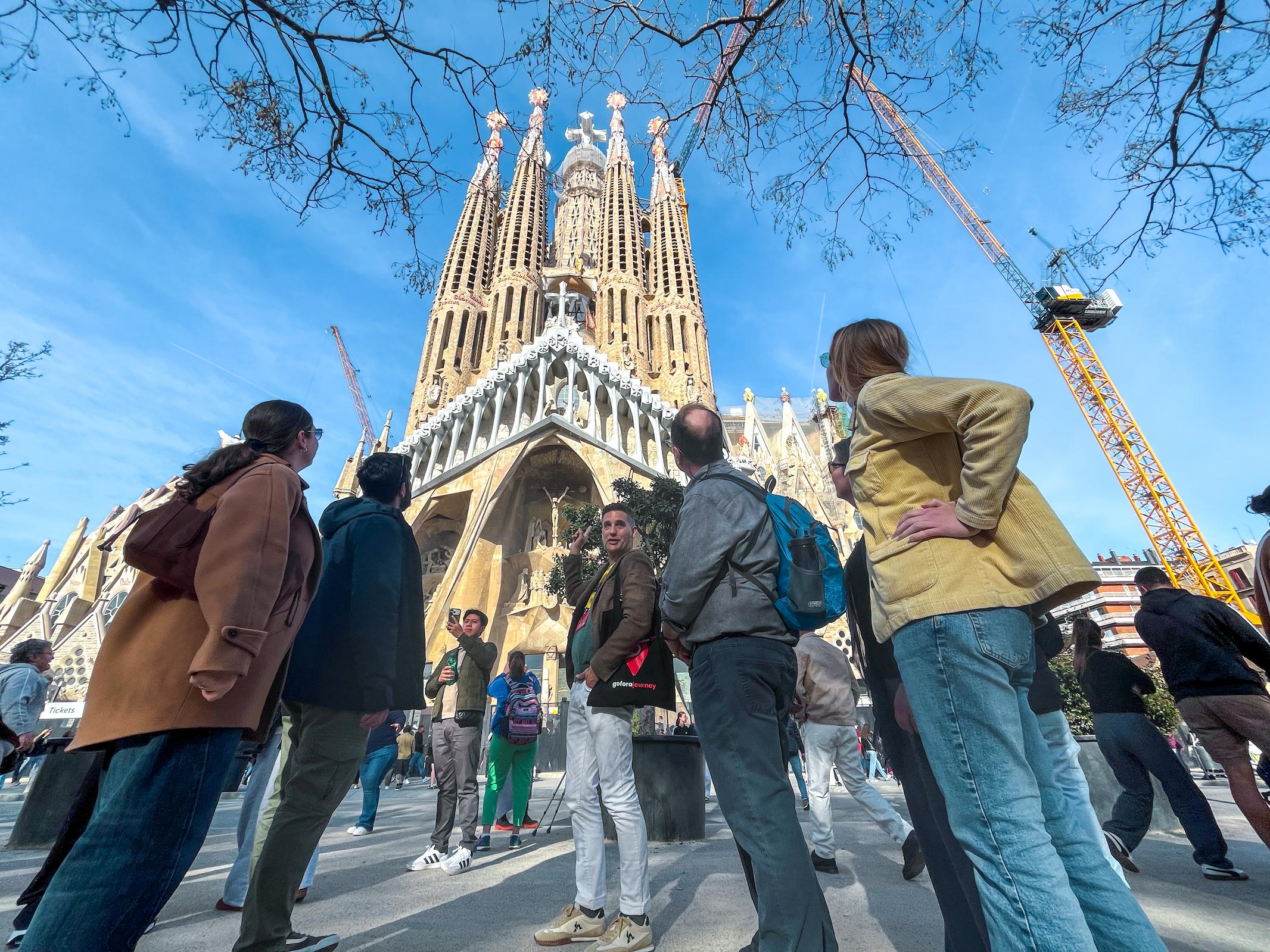
Sagrada Familia Entry with Audio Guide
- Expert local guide
- Small group
- Skip-the-line access
- Free cancellation
Sagrada Familia — Priority Entry & Tower Access
Bypass the queues, ascend Gaudí's towers for city views
Compare fares, pick the fit — all bookings are mobile-voucher and eligible for free cancellation where shown.
2 hr
1 hr 30 min
1 hr 30 min
Choosing the right sagrada familia skip the line with tower access option is essential for a seamless experience at this Barcelona landmark. Visitors may select between an independent exploration or a guided sagrada familia skip the line with tower access tour to better appreciate the architectural detail.
| Independent Entry Self-guided & Tower |
Top pick Guided Experience Expert-led & Tower |
|
|---|---|---|
| Entrance fee | 36 EUR | 40 EUR |
| Access method | Timed elevator and stairs | Timed elevator and stairs |
| What's included | Basilica entry and audioguide | Guided tour and audioguide |
| Tower access | 1 tower (Nativity or Passion) | 1 tower (Nativity or Passion) |
| Step count | 340 | 340 |
| Best for | Independent explorers | History and detail enthusiasts |
| See tickets & prices |
Verdict: For those prioritizing deep context, the guided sagrada familia skip the line with tower access tickets offer the most complete overview.
Worth it for the vertical perspective
The 36 EUR sagrada familia skip the line with tower access ticket delivers two distinct experiences: Gaudí's unfinished basilica from ground level and a 340-step climb into either the Nativity or Passion tower. The tower component separates this from basic entry—you gain access to spiral staircases, narrow bridges connecting façade elements, and sightlines across Barcelona's Eixample district that contextualize the basilica's scale. The climb takes 20–25 minutes and reveals construction details invisible from below: stone carving workshops, structural ribs, and the interplay between Gaudí's organic forms and modern engineering. Skip-the-line access matters most between 11:00–15:00 when ground-level queues stretch 45+ minutes; morning slots move faster. The tower visit adds roughly 40 minutes to your total time inside. If you're comparing the Sagrada Familia Expert-Led Tour with Priority Access against self-guided tower entry, the former trades autonomy for chronology and symbolism context, while the latter prioritizes the physical ascent and rooftop perspectives.
Bottom line: The tower access justifies the premium if you want to see how Gaudí's vision scales from street level to skyline—just book your time slot early and arrive during the 09:00–10:00 window when stained glass catches morning light.
Choosing a sagrada familia skip the line with tower access tour provides a more complete architectural immersion than a standard entry ticket. Visitors seeking a comprehensive experience of Gaudí's masterpiece typically prefer tower access over the limited basilica-only view.
|
Top pick Tower Access |
Standard Entry | |
|---|---|---|
| Entrance Fee | 36 EUR | |
| Access Scope | Basilica and Towers | |
| Physical Demand | 340 steps | |
| Viewing Perspective | Panoramic city views | |
| Primary Benefit | Vertical architecture insight | |
| Suitability | Adventurous explorers | |
| Booking Lead Time | 4–8 weeks recommended | |
| Cancellation Policy | Non-refundable | |
| See tickets & prices |
Verdict: For travelers looking to maximize their time at these Barcelona landmarks, purchasing sagrada familia skip the line with tower access tickets is superior to standard admission, provided one is prepared for the climb. Those needing flexible sagrada familia skip the line with tower access tours should secure their entry far in advance to ensure the best availability for their sagrada familia skip the line with tower access tour.
Hand-picked experiences loved by thousands of travelers
75 minutes
Free Cancellation
Skip the queues and explore Gaudí's unfinished masterwork with an expert guide over 75 minutes.
1 hour 15 minutes
Free Cancellation
Explore Gaudí's unfinished masterpiece with an expert guide and optional rooftop views from the Passion Tower
1 hour 30 minutes
Free Cancellation
Explore Gaudí's unfinished masterpiece with expert commentary, then ascend a tower for sweeping city views.
2 hours
Free Cancellation
Scale Gaudí's soaring towers and explore Barcelona's legendary basilica with an expert guide
1.5 - 2 hours
Free Cancellation
Skip the queues and explore Gaudí's architectural masterpiece with an expert guide
1 hour 15 minutes
Free Cancellation
Skip the queue and explore Gaudí's masterpiece with an expert guide who reveals the basilica's secrets
1 hour 30 minutes
Free Cancellation
Explore Gaudí's iconic basilica with a certified guide in an intimate setting with fast-track entry
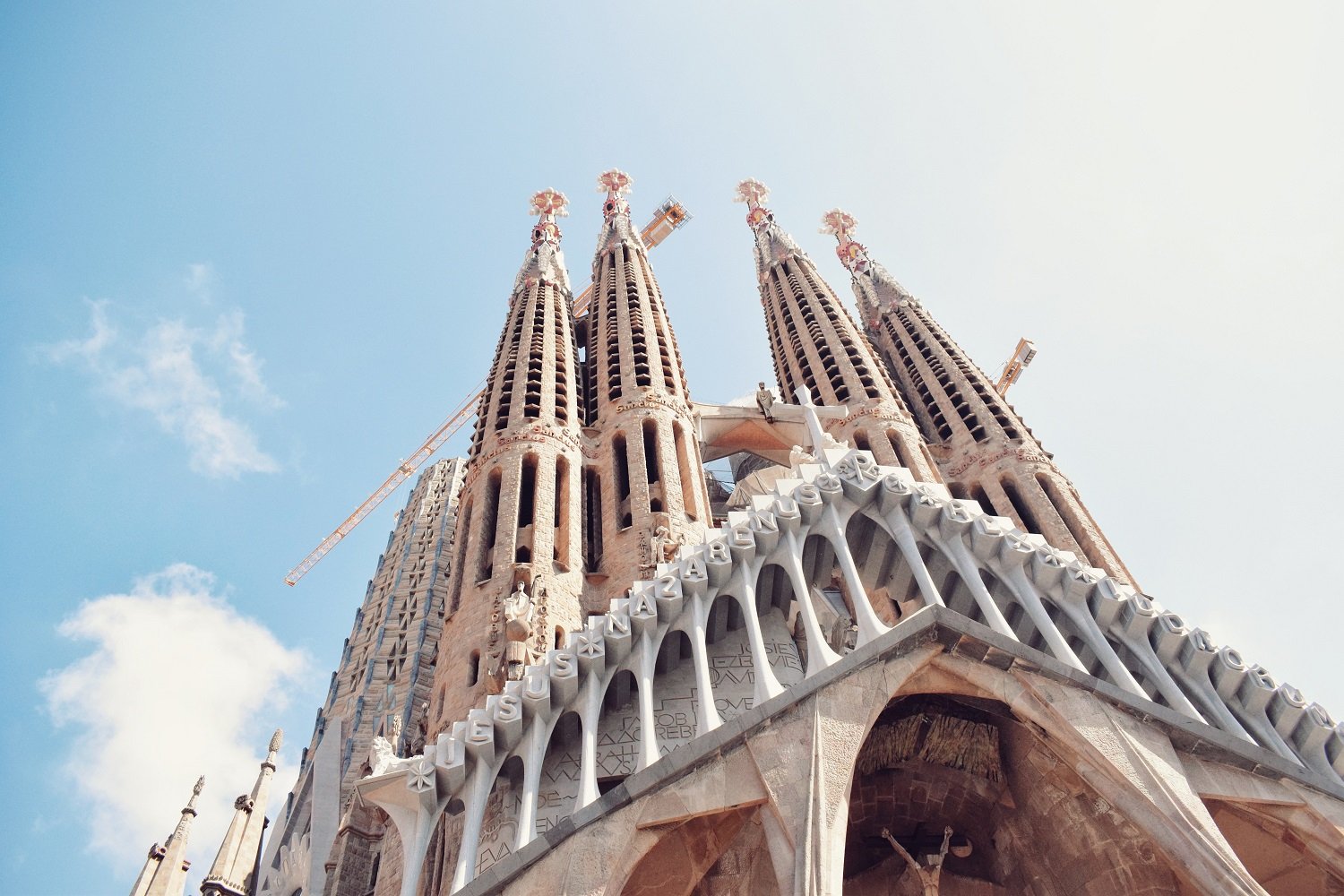
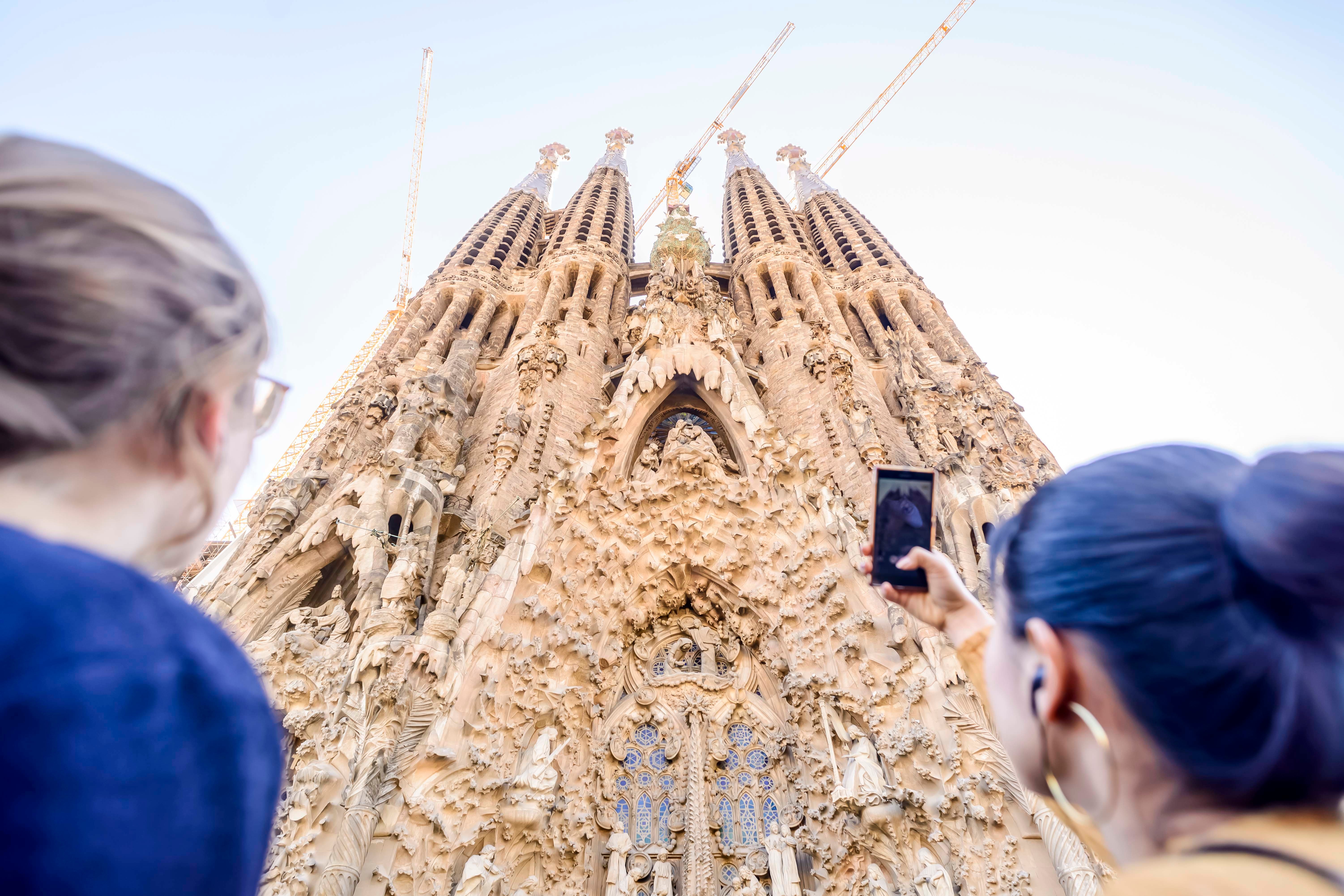
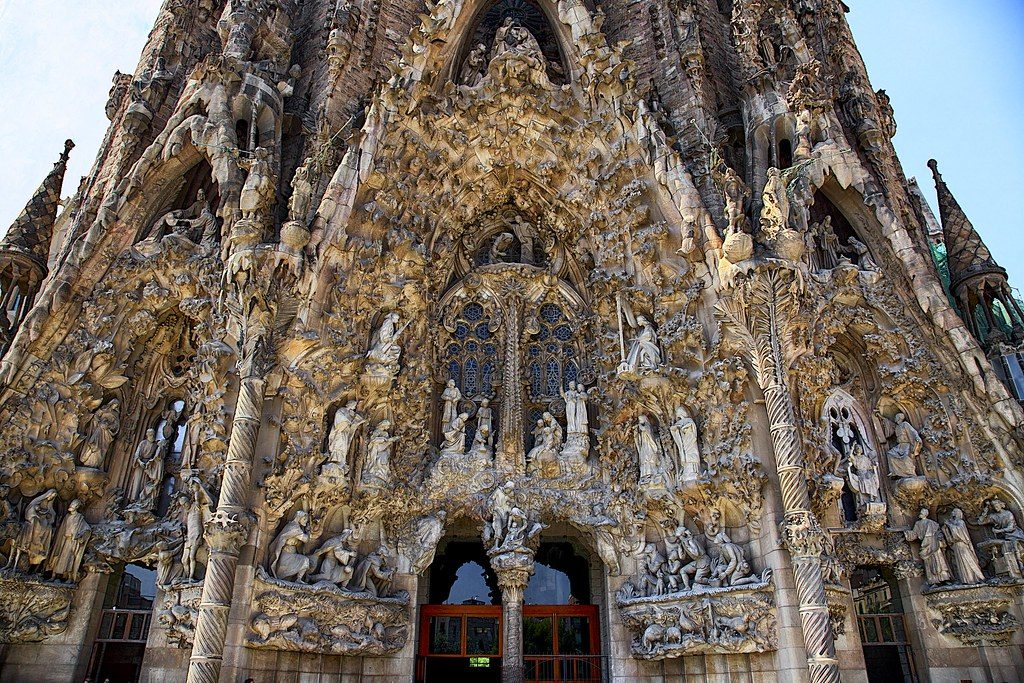
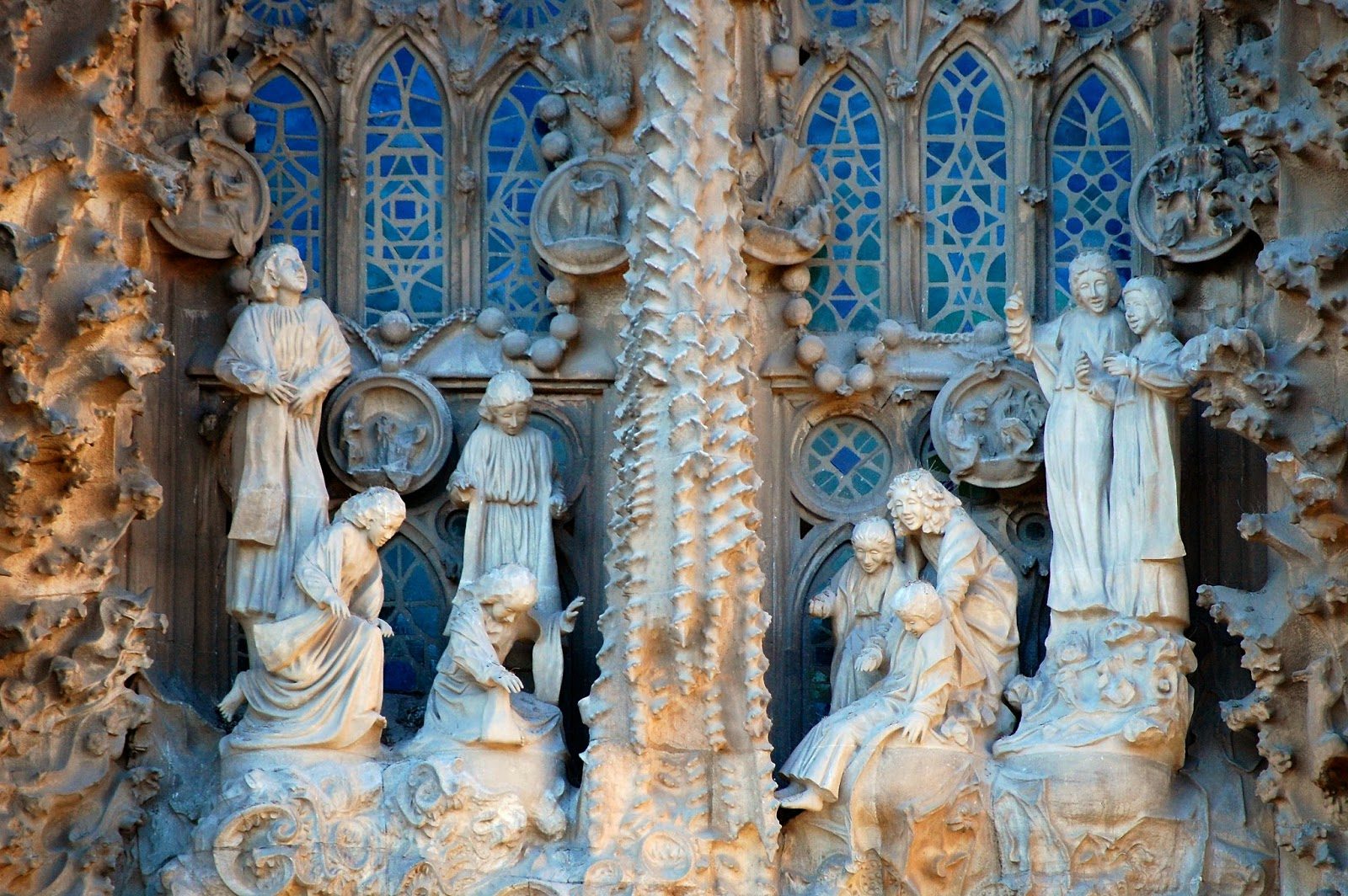
This facade depicts the birth of Jesus and was overseen by Antoni Gaudí during his lifetime. It features intricate organic shapes and sculptures that represent the joy of creation.
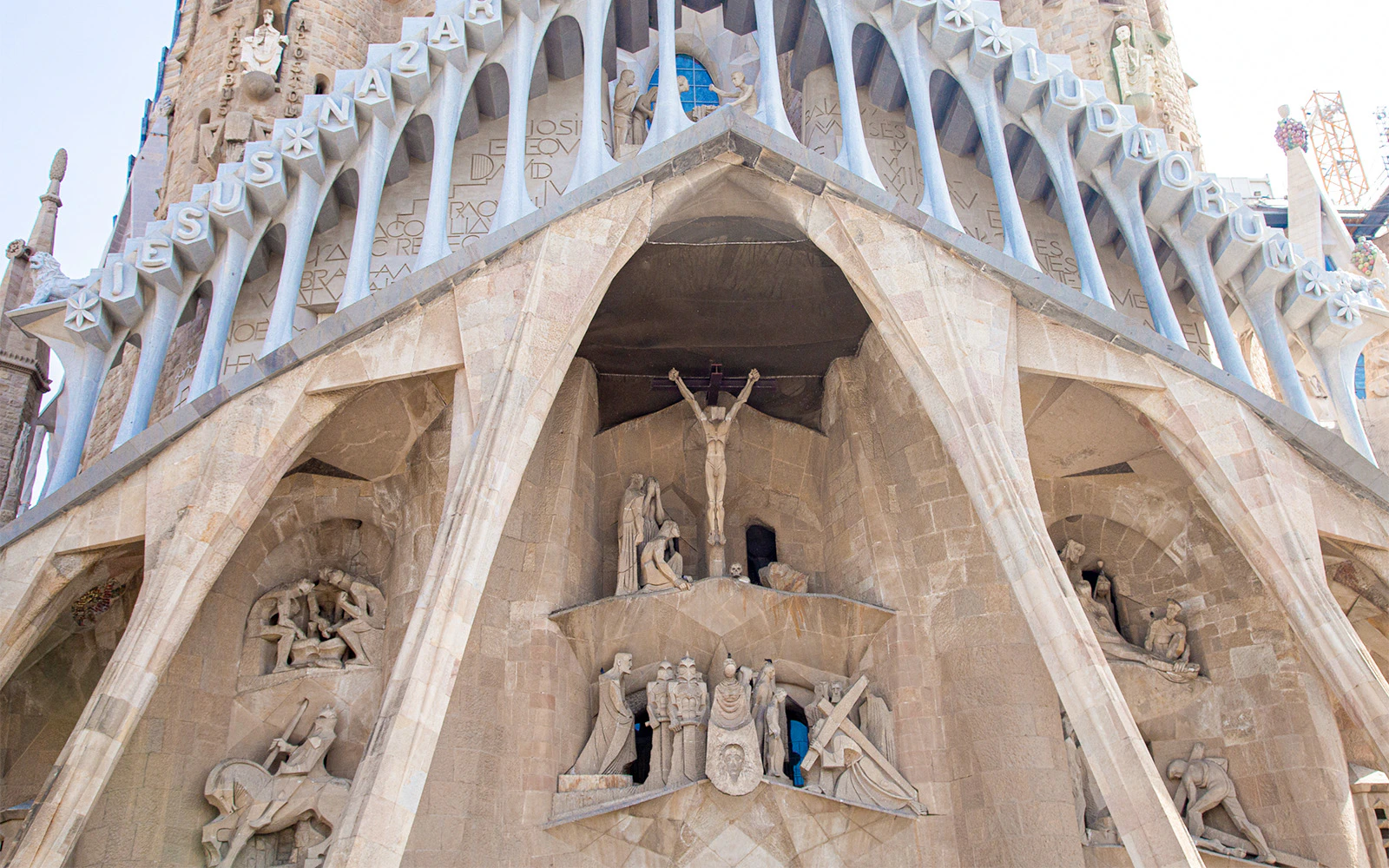
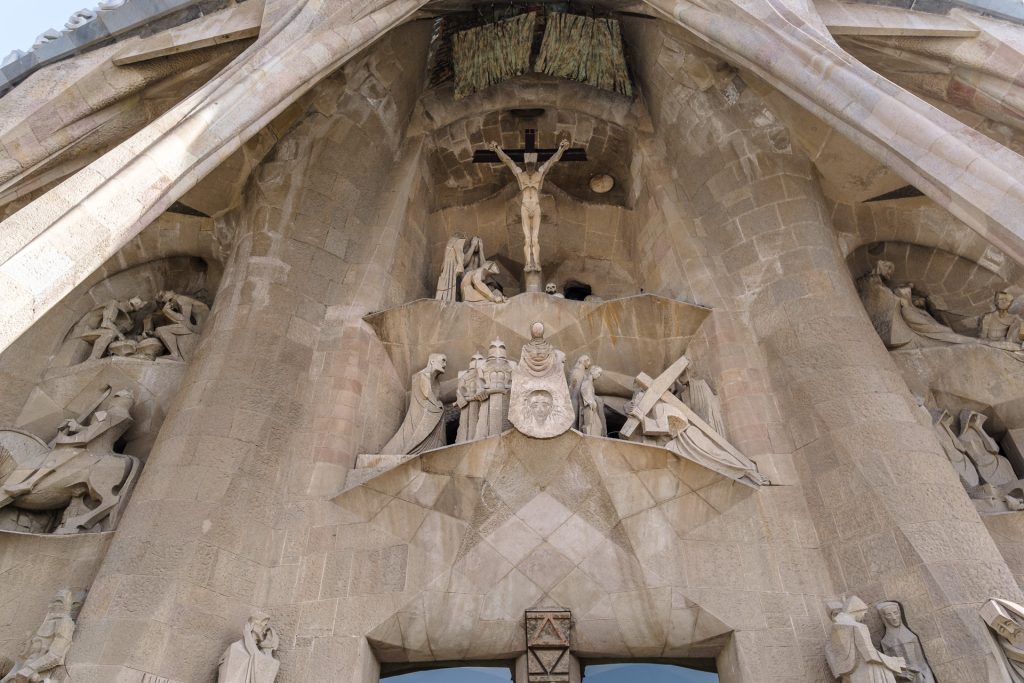
Designed to reflect the suffering and death of Jesus, this side contrasts sharply with the Nativity facade. Its angular, stark style creates an intense visual experience for those exploring Sagrada Família.
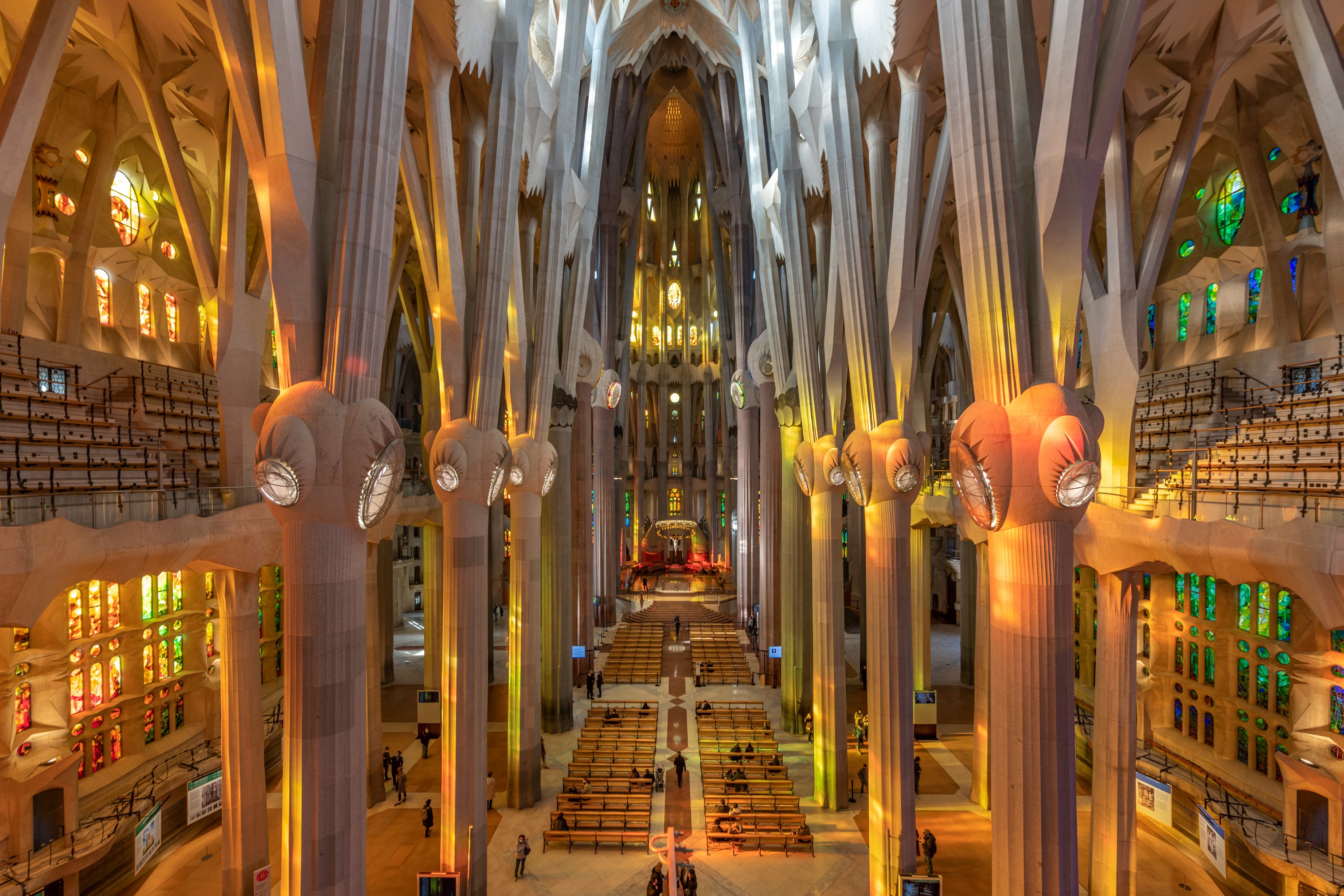
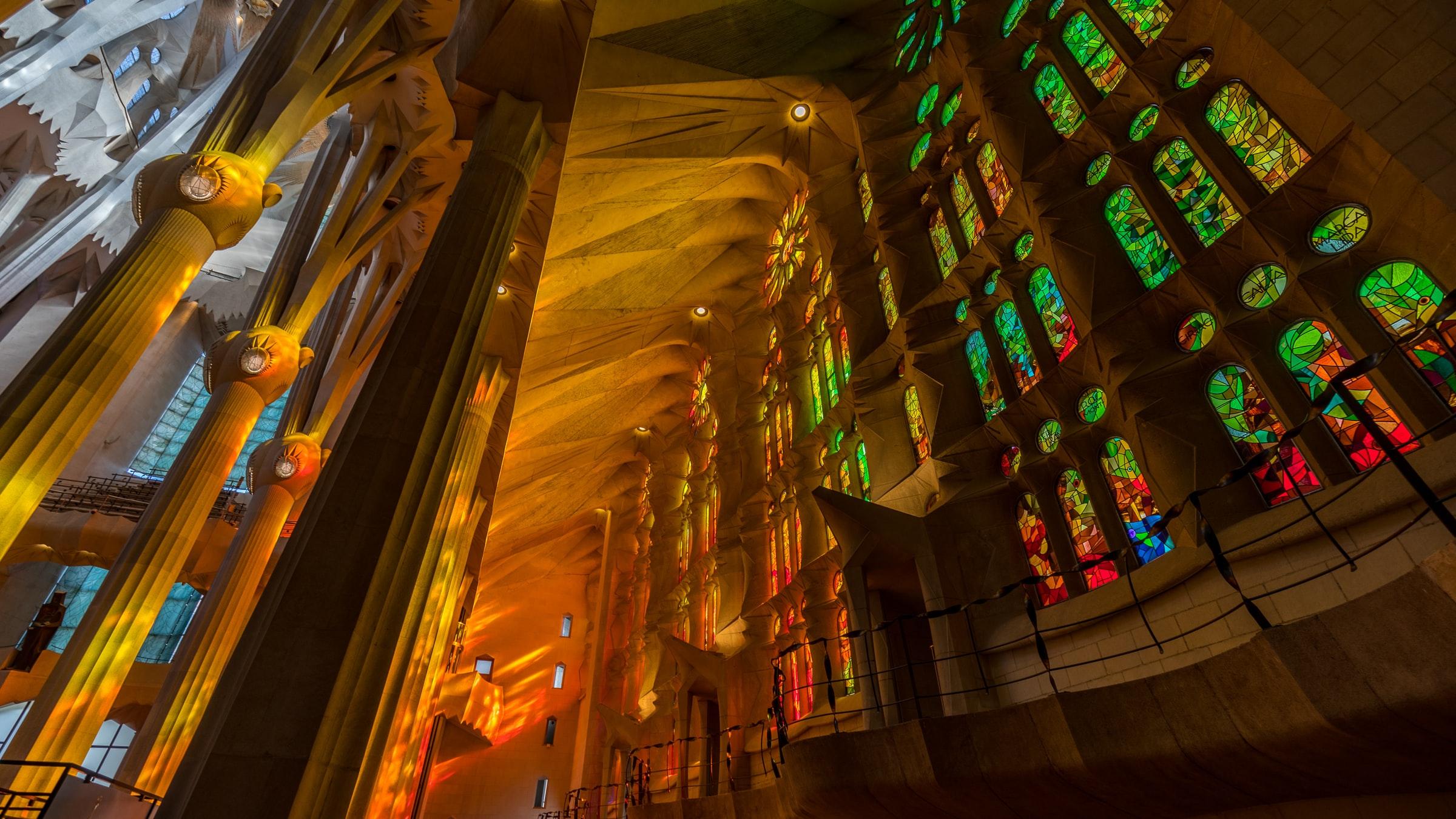
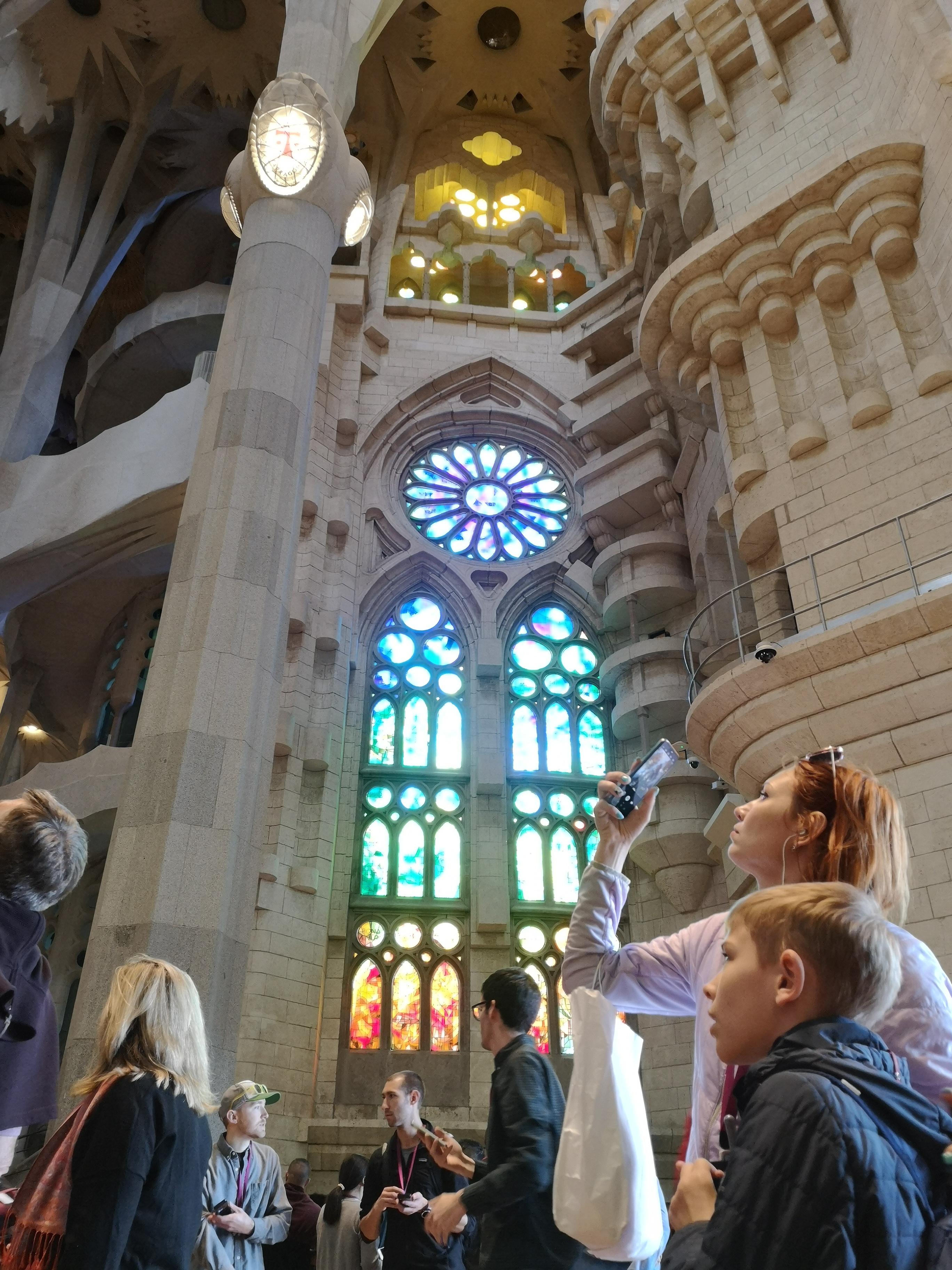
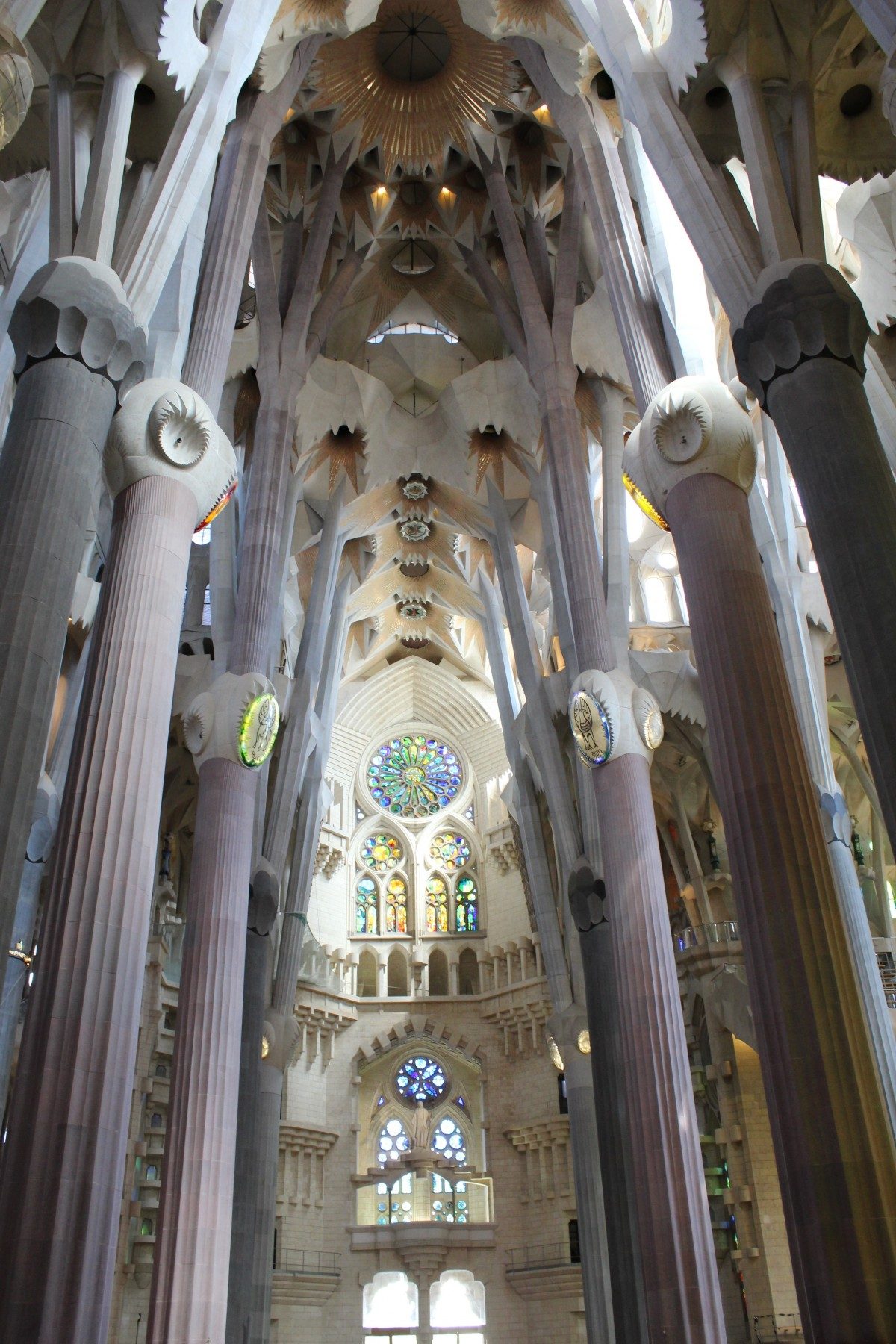
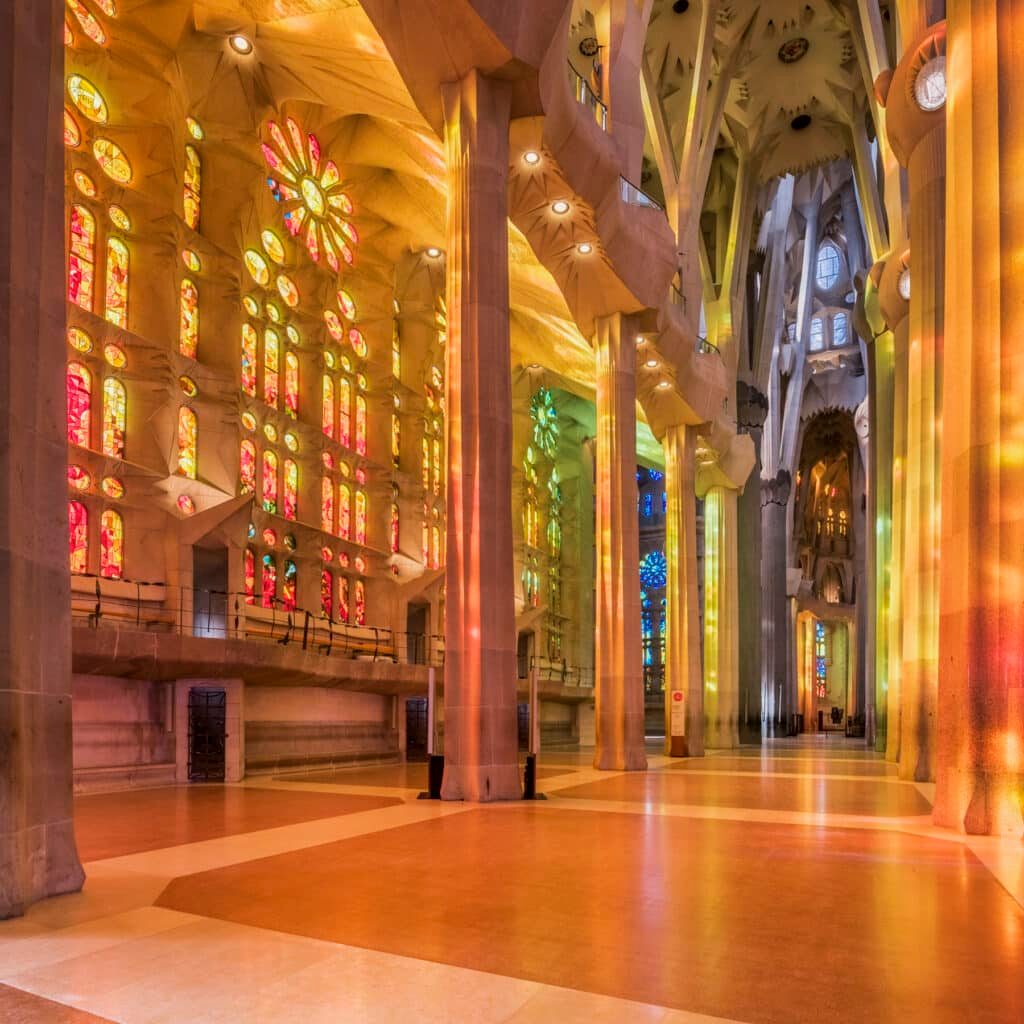
The interior is famous for its tree-like columns that branch out to support the ceiling. This structural design mimics a forest and creates a sense of height and natural light within the Sagrada Família.
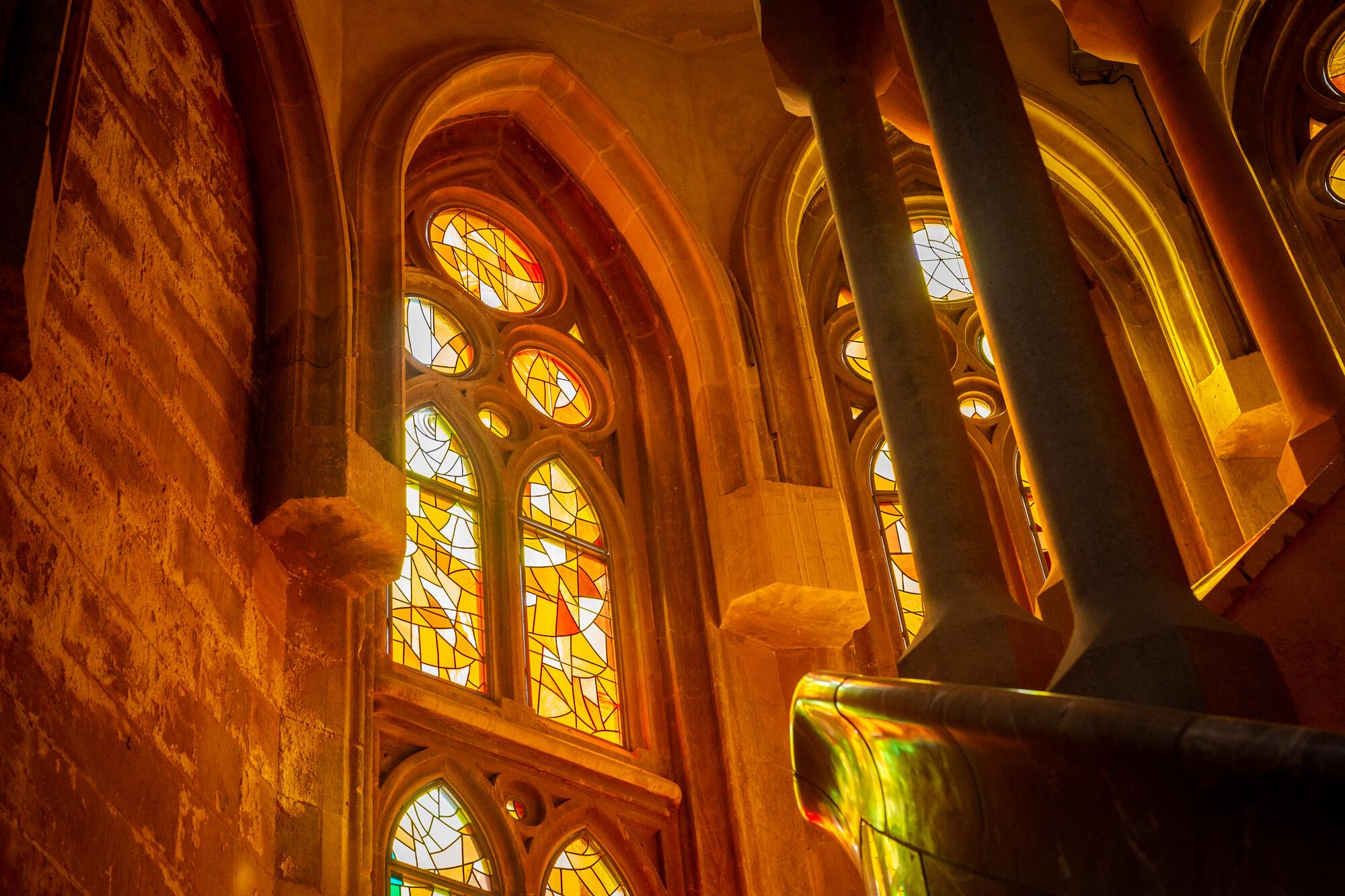
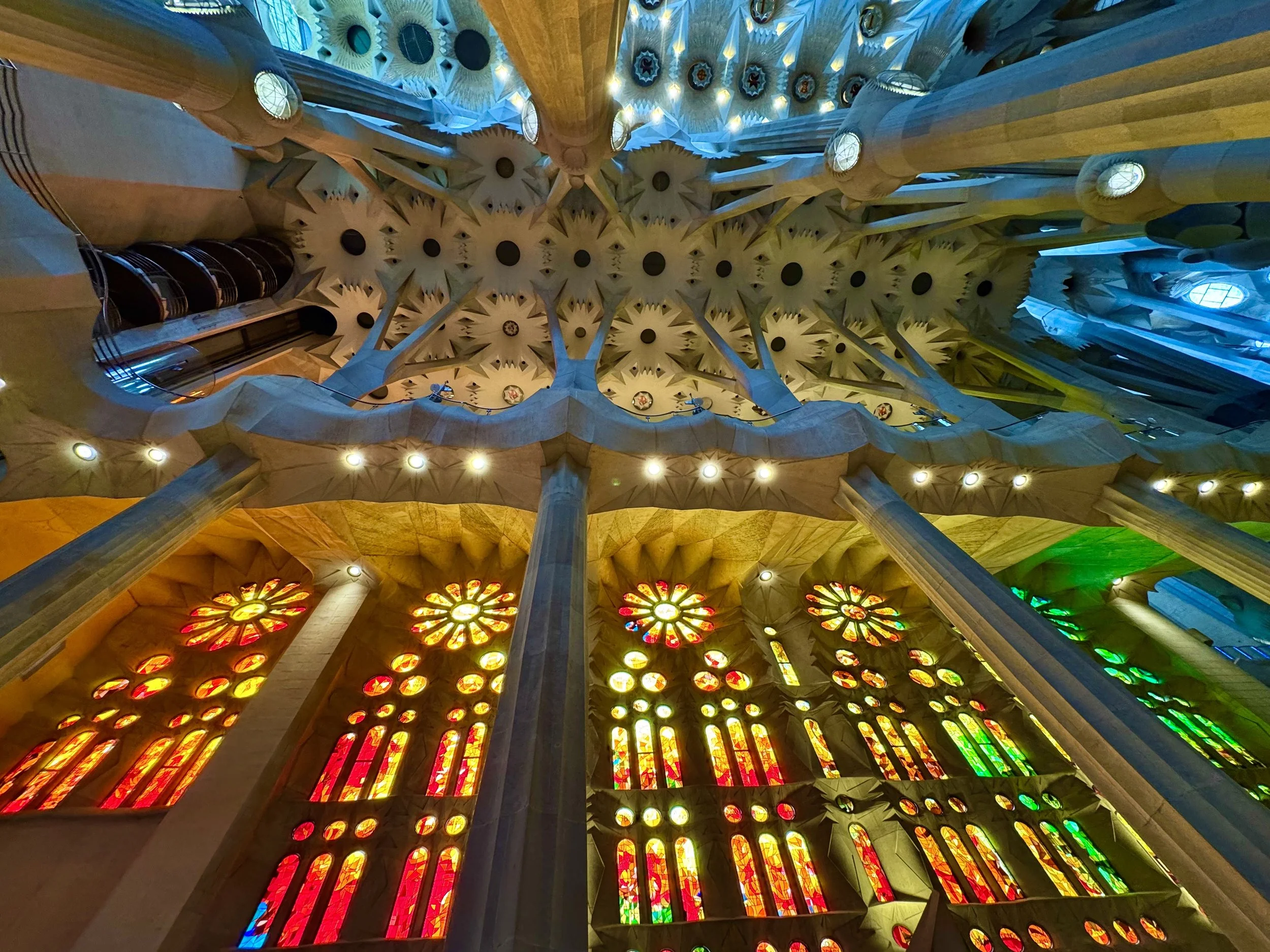
The glass is strategically placed to capture the morning and evening sun differently. The blue and green shades on the Nativity side contrast with the warm oranges and reds of the Passion side in the Sagrada Família.
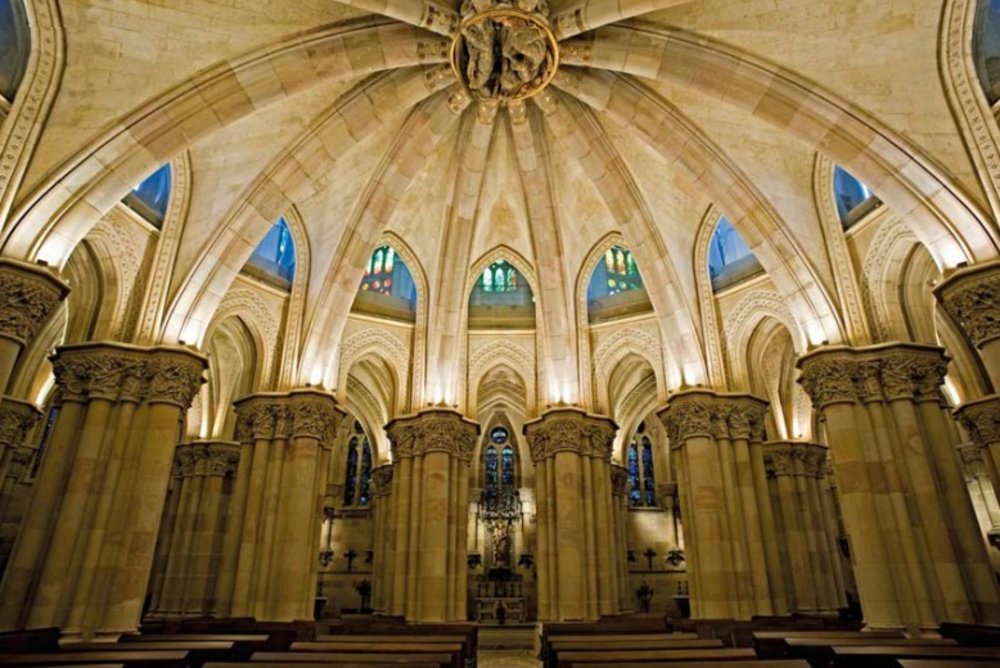
This is the oldest part of the building where Antoni Gaudí is buried. It provides a quiet, historical space beneath the main floor of the Sagrada Família.
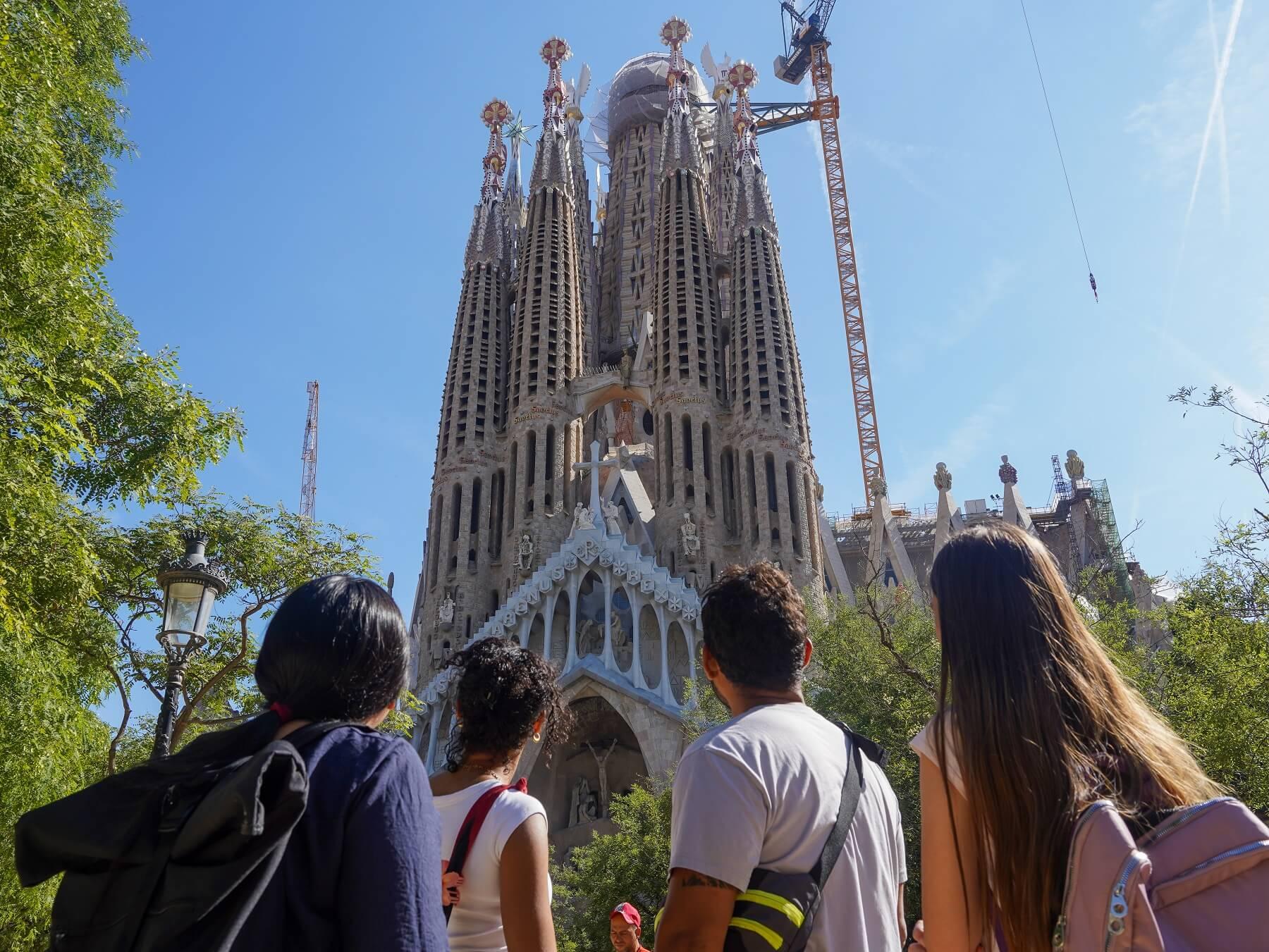
You arrive at Carrer de Mallorca, 401 before the basilica's eastern gates open, avoiding the queues that will coil around the block by noon.
Priority entry admits you through the Nativity Facade, where stone vines and angels twist upward in a density of detail that requires stopping, looking up, then stepping closer to parse individual figures. Inside, the columns soar in hues of red porphyry and gray granite, branching into a canopy that diffuses colored light across white stone. You pause beneath the crossing, where Gaudí's hyperboloid geometry converges overhead in a kaleidoscope of intersecting planes.
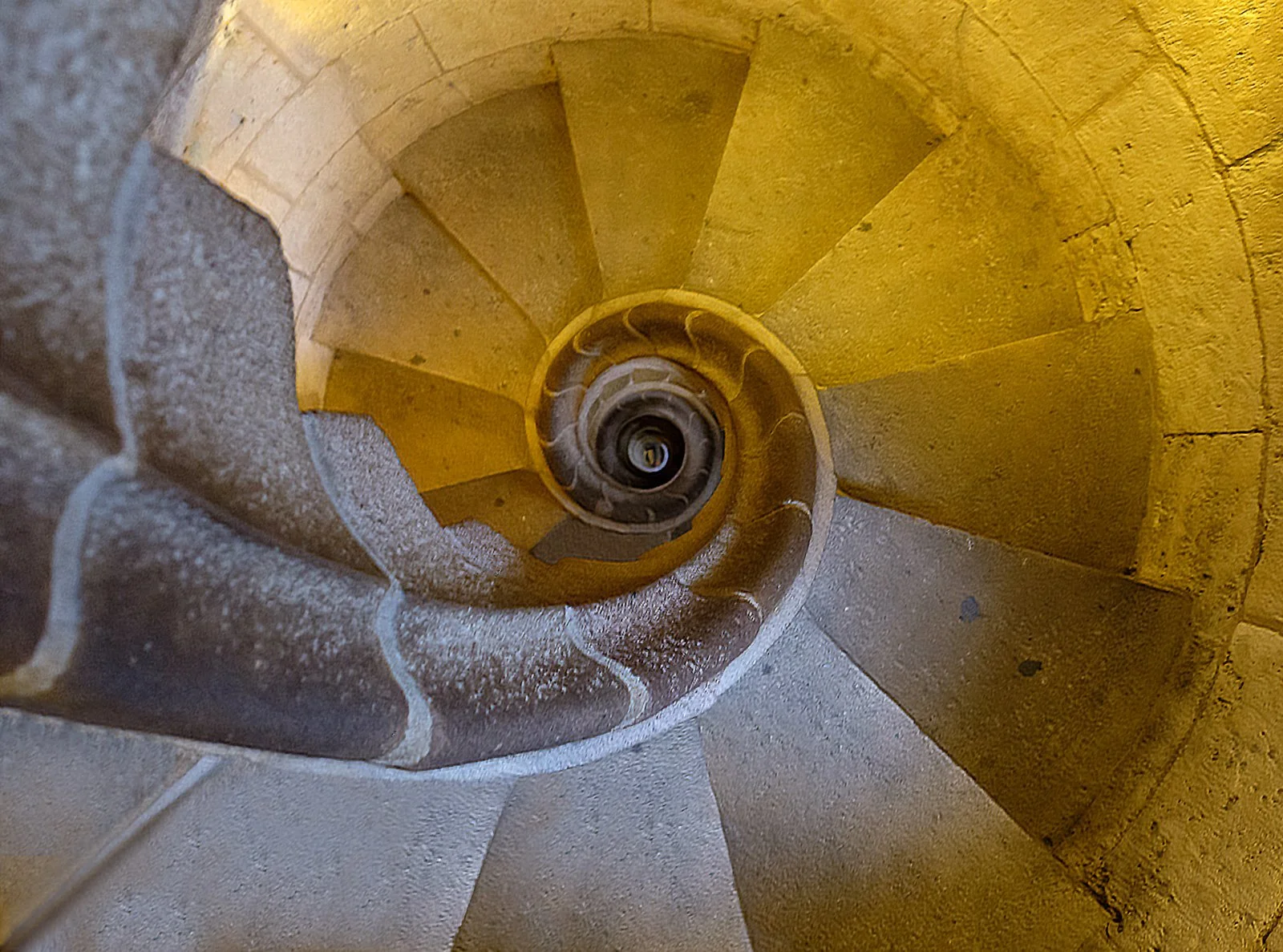
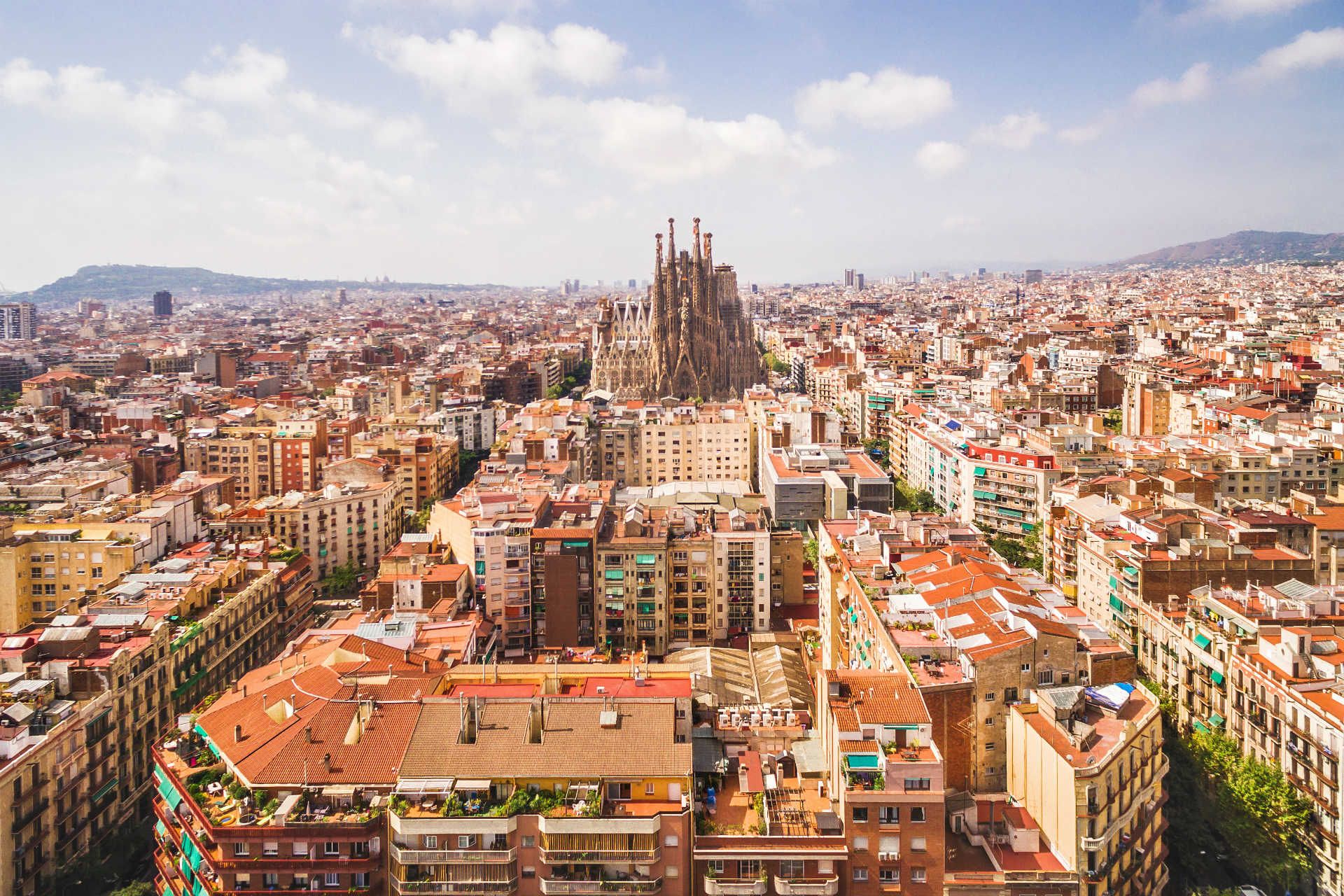
The tower ascent begins in a tight spiral staircase, each of the 340 steps worn smooth by a century of pilgrims and tourists. Midway, narrow windows frame the city in vertical slices—rooftops, cranes, the Eixample's rigid grid stretching toward the hills. At the top, Barcelona unfolds in three-sixty degrees: the Mediterranean to the south, Tibidabo's communication tower to the north, Montjuïc's fortress to the west. The descent follows a separate stairwell, equally narrow, depositing you back at ground level where the museum displays Gaudí's inverted catenary models—strings weighted with birdshot, photographed upside-down to calculate load-bearing arches. You exit through the Passion Facade, its gaunt statuary a deliberate contrast to the Nativity's abundance.
All the details about your upcoming adventure in one place
Construction began in 1882 under architect Francisco de Paula del Villar, but Antoni Gaudí assumed control a year later and transformed the project into a synthesis of Gothic revival and Art Nouveau organicism. His death in 1926 left the basilica one-quarter complete.
Today, nine generations of architects have continued his vision using plaster models, drawings, and computational stone-cutting techniques he never imagined. The Nativity Facade, finished during Gaudí's lifetime, remains the most faithful to his hand. Its sculpted nativity scenes rise in vertical cascades of stone flora and fauna, each column shaped to resemble tree trunks that branch into the vaulted ceiling above.
Pope Benedict XVI consecrated the basilica as a minor basilica in 2010, marking its transition from construction site to functioning place of worship. The interior's forest of columns filters Mediterranean light through stained glass designed to shift in color with the sun's position—blue and green hues dominate the eastern apse at dawn, amber and red ignite the western nave by late afternoon. The columns themselves lean at calculated angles, their branching capitals distributing weight the way organic structures do, eliminating the need for flying buttresses. Priority access to the Passion Facade tower reveals Barcelona's grid sprawling toward Montjuïc, the Mediterranean a stripe of cobalt beyond the rooftops. The 340-step spiral ascent is narrow and one-way; claustrophobia should be considered before booking tower options.
Gaudí envisioned eighteen spires representing the Twelve Apostles, the Virgin Mary, the four Evangelists, and Jesus Christ—the central tower will rise to 172.5 meters when completed, making it the tallest church structure built entirely by human hands. Completion estimates hover near 2026, the centennial of Gaudí's death, though construction depends on private donations and ticket revenue. Sagrada familia skip the line with tower access tours allow focused time inside the basilica without the multi-hour queues that form daily by mid-morning. Audio guides narrate the symbolism encoded in every facade, from the Passion's stark geometry representing Christ's suffering to the Glory Facade's apocalyptic imagery still under construction. The crypt beneath holds Gaudí's tomb, a plain stone marker in contrast to the exuberance overhead.
The columns lean at calculated angles, their branching capitals distributing weight the way organic structures do, eliminating the need for flying buttresses.
Visitors must dress respectfully as this is an active place of worship. Shoulders must be covered and midriffs, short shorts, or swimwear are not permitted.
All visitors must pass through security screening. Large backpacks or suitcases are not allowed inside the Sagrada Família.
Photography is permitted for personal use. The use of tripods, monopods, or professional lighting equipment is strictly prohibited inside the basilica.
Children under 16 must be accompanied by an adult at all times. Tower access is restricted to visitors aged 6 and older for safety reasons.
The towers are not accessible to visitors with reduced mobility due to the 340 steps required. The main basilica floor is wheelchair accessible with designated routes.
Eating and drinking are not permitted inside the basilica. Water bottles may be carried but must remain sealed in the sanctuary.
Opening Hours
09:00–20:00 (Mon–Fri, Sun)
Address
Carrer de Mallorca, 401, 08013 Barcelona, Spain
Tower Access
340 steps
Best Arrival
09:00–10:00
Storage
Not available on-site
Navigation
Use Metro L2 or L5 Sagrada Família station
Public transport · 20 min · 2.50 EUR
Take Metro L2 (purple) or L5 (blue) to Sagrada Família station. This station is located directly across from the basilica.
Taxi · 15-30 min · 15-25 EUR
Request a drop-off at Carrer de Mallorca, 401. Access points may be restricted during peak traffic.
Tickets are non-refundable once purchased. Changes to visit dates or times must be requested through the official booking portal at least 48 hours prior to your scheduled visit.
Recommended time
2.5-3 hours
Planning your sagrada familia skip the line with tower access requires accounting for the lift journey and the descent. Using sagrada familia skip the line with tower access tickets allows you to bypass the primary queues, though security screening remains mandatory for all visitors. We recommend allocating extra time to appreciate the stained glass details and Antoni Gaudí’s Nativity facade, as these sagrada familia skip the line with tower access tours are best experienced at a measured pace. Expect crowded conditions by midday as the basilica reaches peak capacity.
Crowd levels through the day
Weather · crowds · average price — dots go green to amber to red as each metric rises.
Mild temperatures and blooming gardens make this an ideal time for Sagrada Família visitors. Expect moderate crowds compared to summer.
Expect high temperatures and peak tourist density. Morning visits are essential to avoid midday heat.
Comfortable weather in September and October offers pleasant conditions for walking between Barcelona landmarks.
Quieter periods allow for a more contemplative experience, though early sunsets affect the light through the stained glass.
Check your ticket carefully as it specifies which tower you will ascend. The Nativity Tower offers views of the sea, while the Passion Tower looks toward the city center.
Visit early to witness the sun illuminating the stained glass of the Nativity facade. The light creates vivid color patterns on the columns during the first hours.
Keep your sagrada familia skip the line with tower access tickets ready on your phone to expedite the security check. Digital copies are sufficient.
Ensure your shoulders are covered before arriving. Guards may deny entry if the dress code is not met.
Download the official app before your visit. The audio guide is included with most sagrada familia skip the line with tower access tours and provides deep context.
Carrer de Mallorca, 401, 08013 Barcelona, Spain
Specific meeting point provided in confirmation email.
Get directionsConstruction of the Sagrada Família began in 1882 under architect Francisco de Paula del Villar, who envisioned a conventional neo-Gothic church. One year later, Antoni Gaudí assumed control after disagreements over design direction. He transformed the project into a radically ambitious synthesis of Gothic revival and Art Nouveau, planning eighteen spires to represent the Twelve Apostles, the Virgin Mary, the four Evangelists, and Christ. Gaudí devoted the final fifteen years of his life exclusively to the basilica, living on-site and relying on donations to sustain progress. When he died in 1926 after being struck by a tram, only the Nativity Façade and one tower stood complete. The Spanish Civil War halted work in 1936. Anarchist militias ransacked Gaudí's workshop, destroying plaster models and most original drawings. Architects Francesc Quintana and Lluís Bonet i Garí painstakingly reconstructed the plans from photographs and fragments, resuming construction in 1954. The Passion Façade rose between 1954 and 1976, executed by sculptor Josep Maria Subirachs in a stark, angular style that sparked fierce debate among purists. Computer-aided design entered the project in the 1980s, enabling engineers to interpret Gaudí's geometric principles with precision. The basilica earned UNESCO World Heritage designation in 1984, recognizing its incomplete state as a monument to evolving craftsmanship. Pope Benedict XVI consecrated the Sagrada Família as a minor basilica in 2010, granting liturgical status to a structure still under construction. The Glory Façade, the main entrance facing Carrer de Mallorca, remains unfinished as of 2026. Tower access, central to sagrada familia skip the line with tower access experiences, allows visitors to ascend via elevators and spiral staircases to heights exceeding 60 meters. Current completion projections target 2026 for the towers of the Evangelists, though final timelines remain contingent on private funding and technical challenges inherent in realizing a 144-year-old vision.
Francisco de Paula del Villar begins construction of a neo-Gothic church on the site.
Antoni Gaudí takes over as chief architect, radically reimagining the design with organic forms and symbolic geometry.
Gaudí dies after a tram accident; only the Nativity Façade and one tower stand complete.
Spanish Civil War halts work; anarchist forces destroy most of Gaudí's models and plans in a workshop fire.
Construction resumes under Francesc Quintana, reconstructing plans from salvaged fragments and photographs.
Passion Façade completed by Josep Maria Subirachs, sparking controversy over its angular departure from Gaudí's style.
Pope Benedict XVI consecrates the Sagrada Família as a minor basilica during a public ceremony.
Towers of the Evangelists near completion; Glory Façade and central Jesus Christ tower remain under active construction.
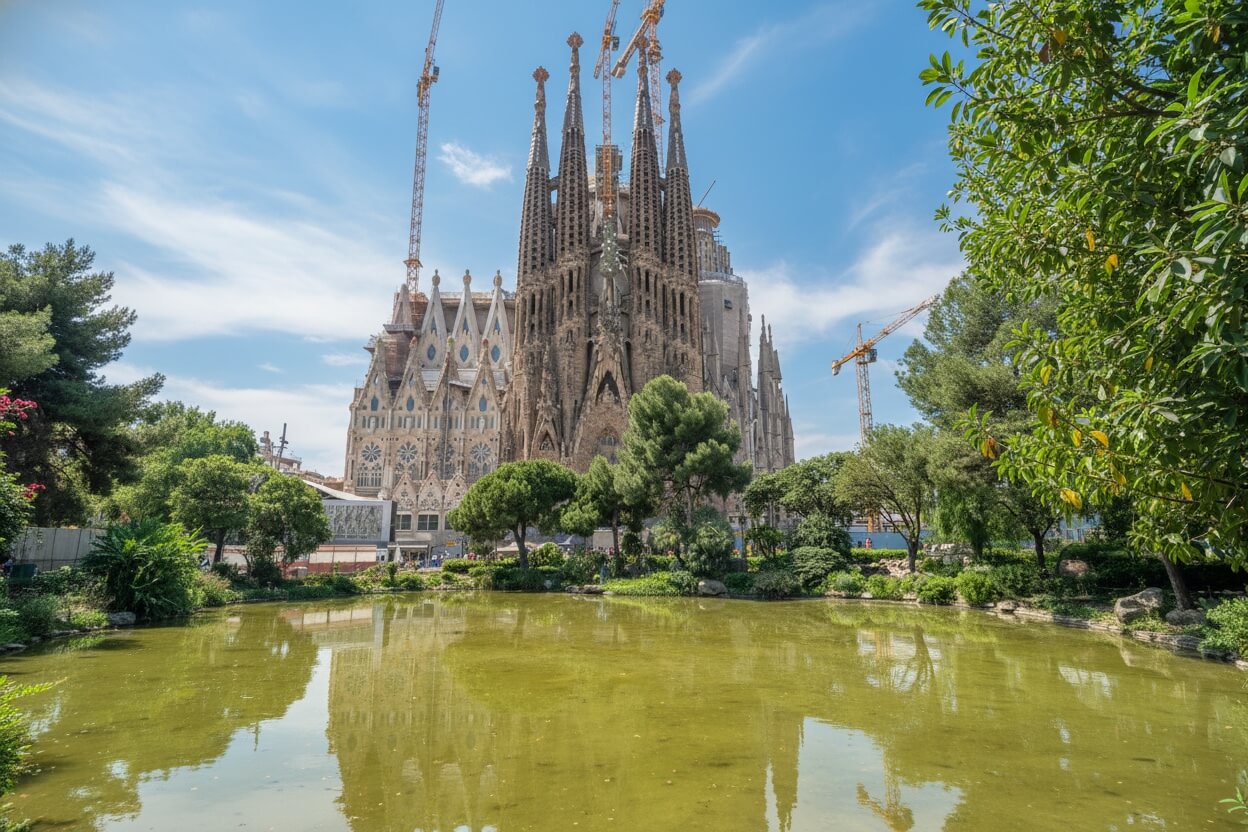
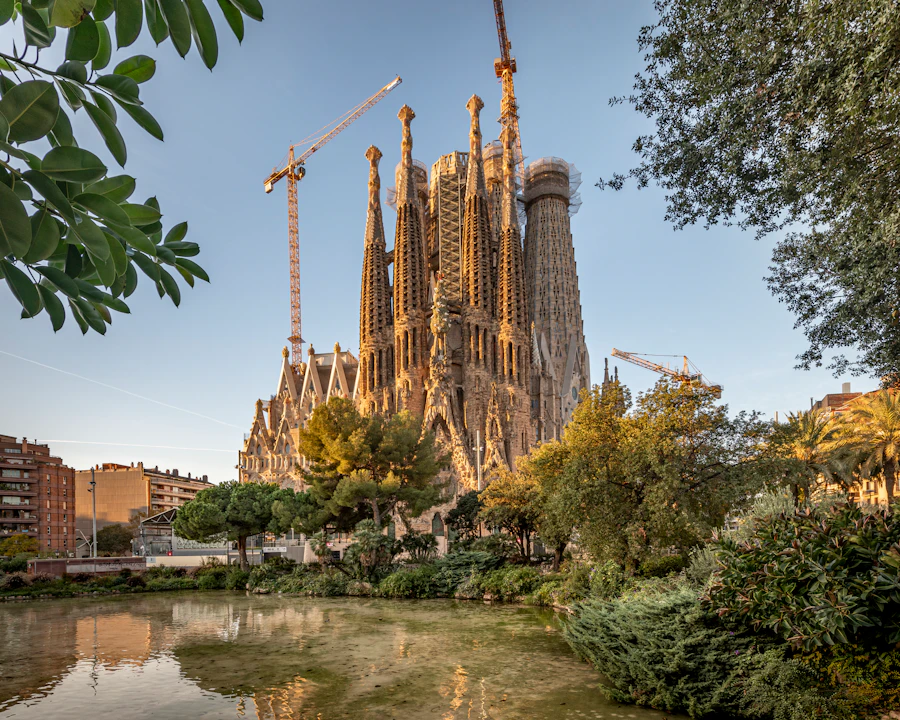
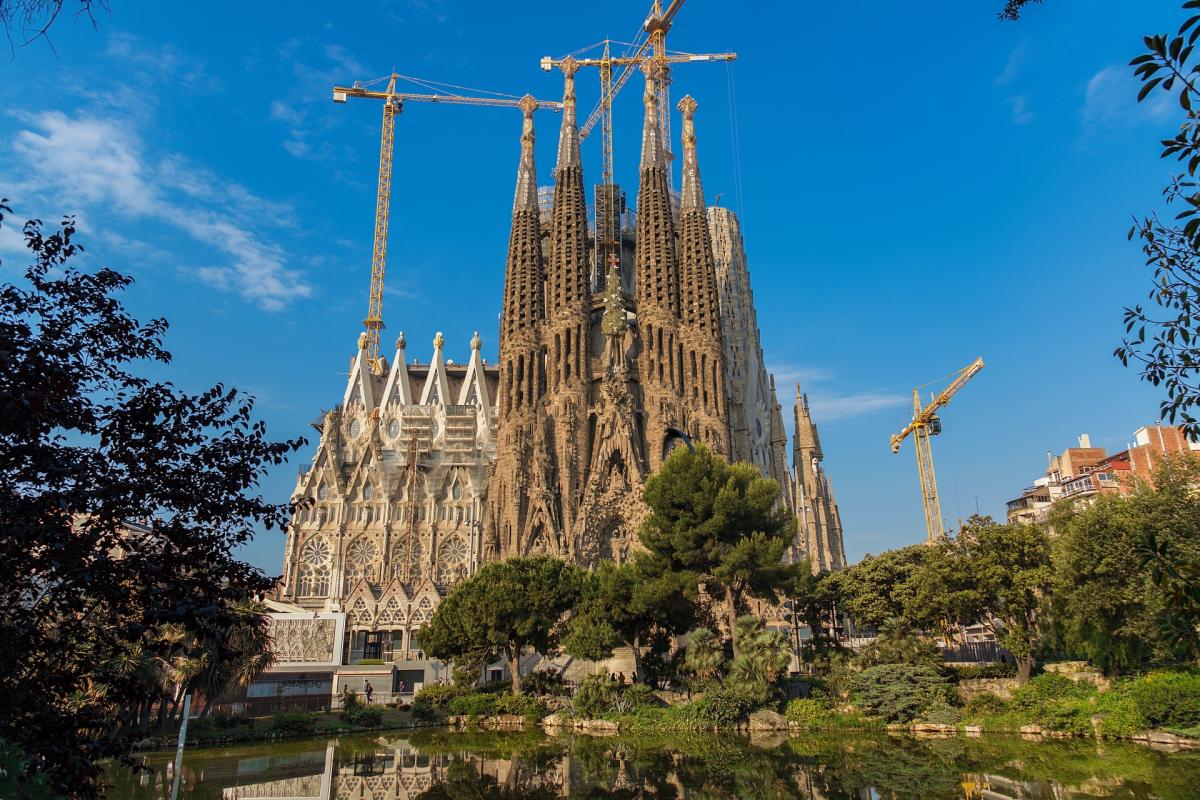
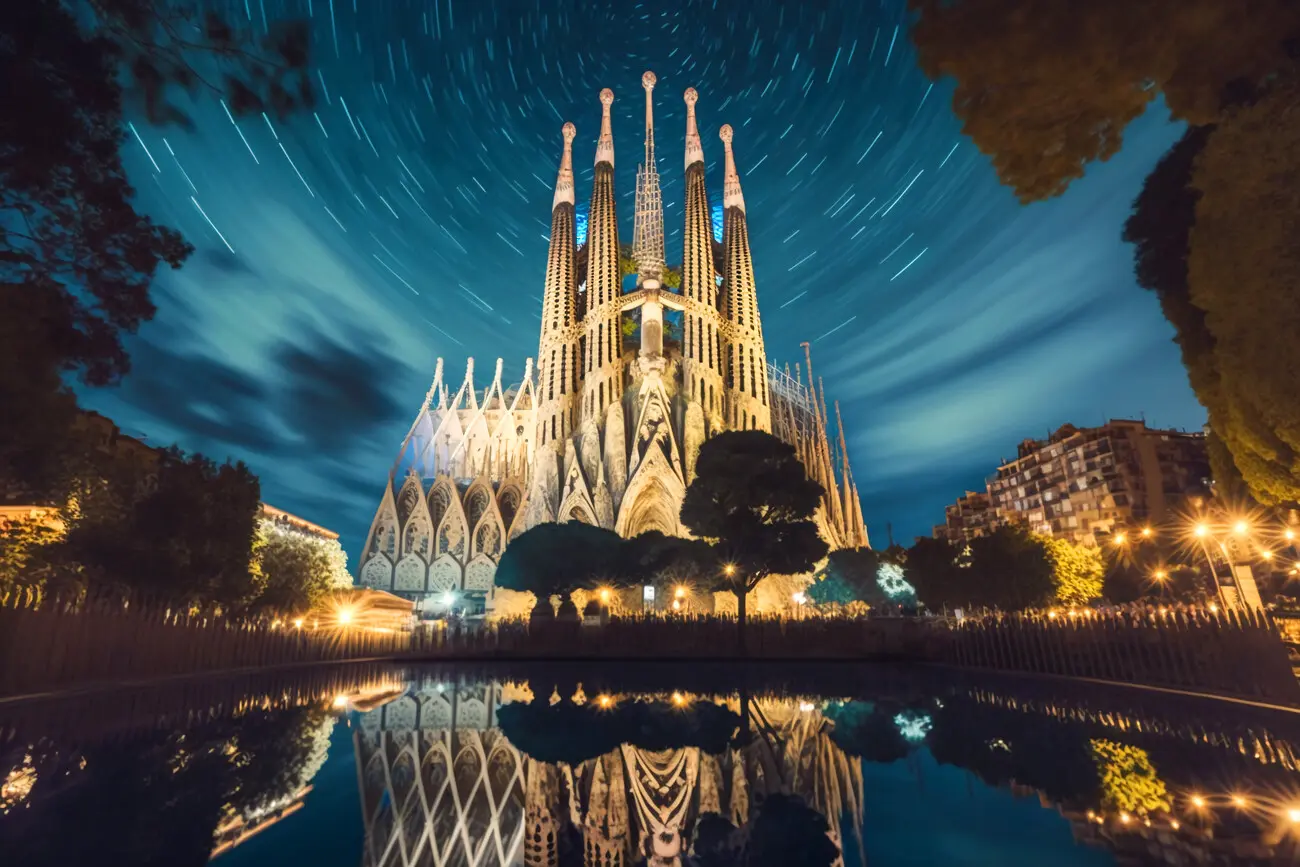
Position yourself by the pond to capture the reflection of the Nativity facade across the water. This spot offers the most iconic perspective of the basilica's spires rising above the trees.
Stand directly across from the ornate sculptural details to capture the morning light hitting the stone carvings. This section of the structure is highly detailed and benefits from soft, indirect lighting.
Located on the opposite side, this entrance provides a sharp contrast with angular, modern sculptures. It is an ideal spot for those who have secured sagrada familia skip the line with tower access tickets to appreciate the architectural evolution.
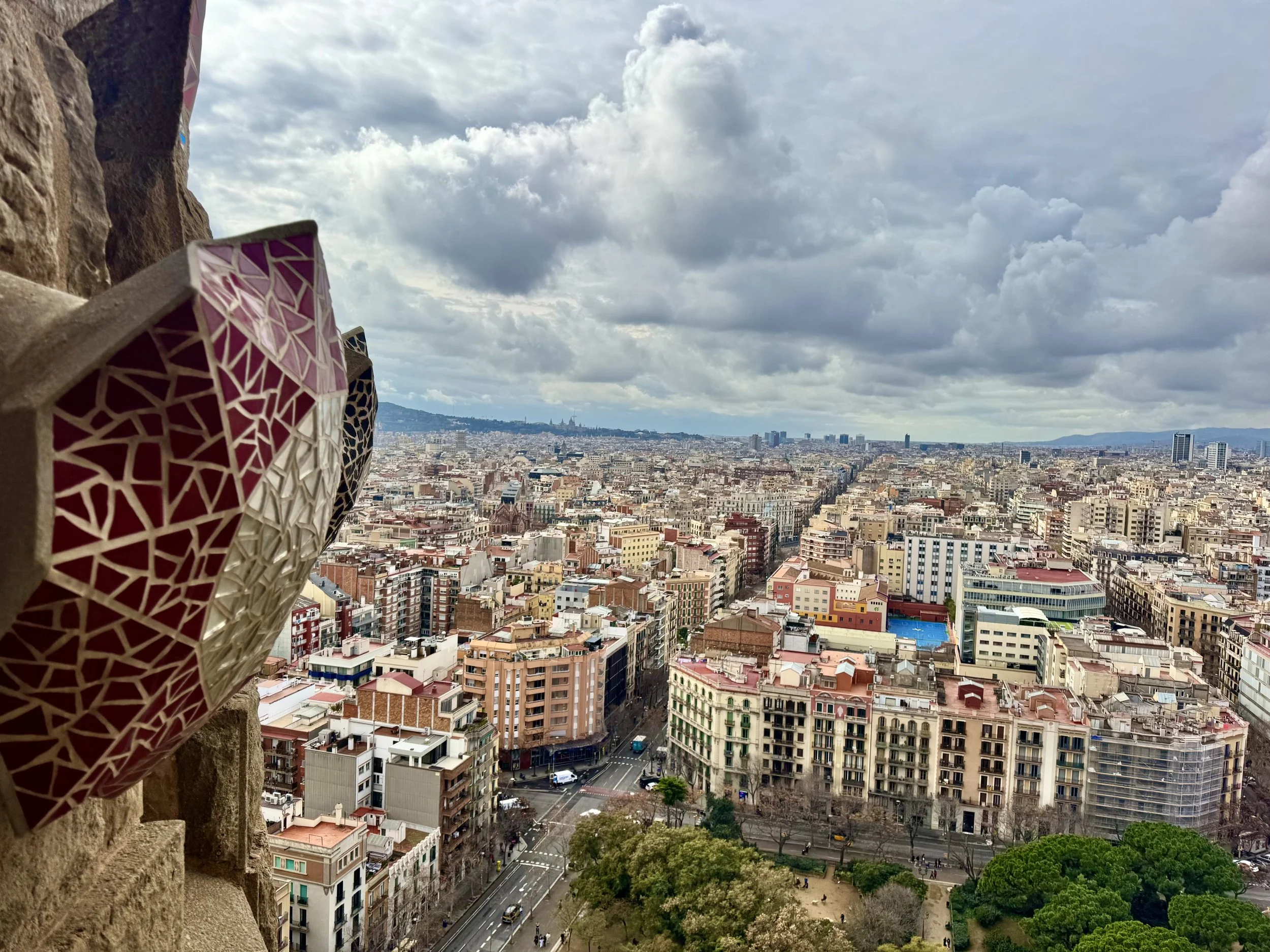
From the heights of the towers, you can frame the city skyline and the intricate mosaic work of the pinnacles. These sagrada familia skip the line with tower access tours provide rare vantage points for vertical compositions.
Position yourself in the center of the floor to frame the tree-like columns reaching toward the vaults. Using sagrada familia skip the line with tower access, you gain time to document how the colored glass filters light across the stone.
Navigating the Basilica with children requires preparation, especially when using sagrada familia skip the line with tower access to bypass lengthy entrance queues. This architectural landmark offers a unique environment for young explorers to engage with Gaudí's nature-inspired designs.
While strollers are permitted, you must leave them in the designated cloakroom before accessing the towers, as the 340 steps are not stroller-friendly. Carrying infants in a chest carrier is recommended for these sections of the sagrada familia skip the line with tower access tour.
Children under the age of 6 are not permitted to ascend the towers for safety reasons, making sagrada familia skip the line with tower access tickets unsuitable for toddlers. Older children will enjoy the intricate details of the Nativity or Passion facades.
Baby-change tables are available within the facility, and there are accessible restrooms located near the entrance. Planning your visit around the 09:00–10:00 arrival window helps minimize wait times for families during your sagrada familia skip the line with tower access tours.
The site is vast, so plan for a slower pace to allow children to appreciate the light filtering through the stained glass windows. Use the official site to review the basilica layout, which helps in navigating Barcelona landmarks with young children.
Dining options are plentiful on the streets surrounding the basilica, making it easy to grab a meal before or after your sagrada familia skip the line with tower access experience. While there are no dining facilities inside the monument, local cafes and bistros provide excellent opportunities to refuel after climbing the 340 steps.
This cozy spot is perfect for those who purchased sagrada familia skip the line with tower access tickets and need a hearty meal nearby. They specialize in creative Mediterranean small plates that serve as a refreshing break from the crowds.;Bodega del Poblet
Everything you need to know for your journey
The basilica is open Monday–Friday and Sunday from 09:00–20:00, and Saturday from 09:00–18:00. Last entry for tower access is typically one hour before closing.
The main floor is accessible, but the 340 steps to the towers are not suitable for those with limited mobility.
Small bags are permitted, but large backpacks and suitcases are prohibited and there is no storage on-site.
Visitors must cover their shoulders and avoid short shorts or swimwear. Modest attire is required for this religious site.
The entrance fee is 36 EUR per person for basilica and tower access.
Photography is permitted for personal use, but tripods and professional lighting equipment are prohibited inside the Sagrada Família.
Arrive between 09:00–10:00 to experience fewer crowds and beautiful morning light through the stained glass.
Tower access is restricted to children 6 and older. Sagrada familia skip the line with tower access tours are generally family-friendly if they meet age requirements.
Tickets are non-refundable and dates are fixed. Changes must be requested at least 48 hours in advance via the official site.
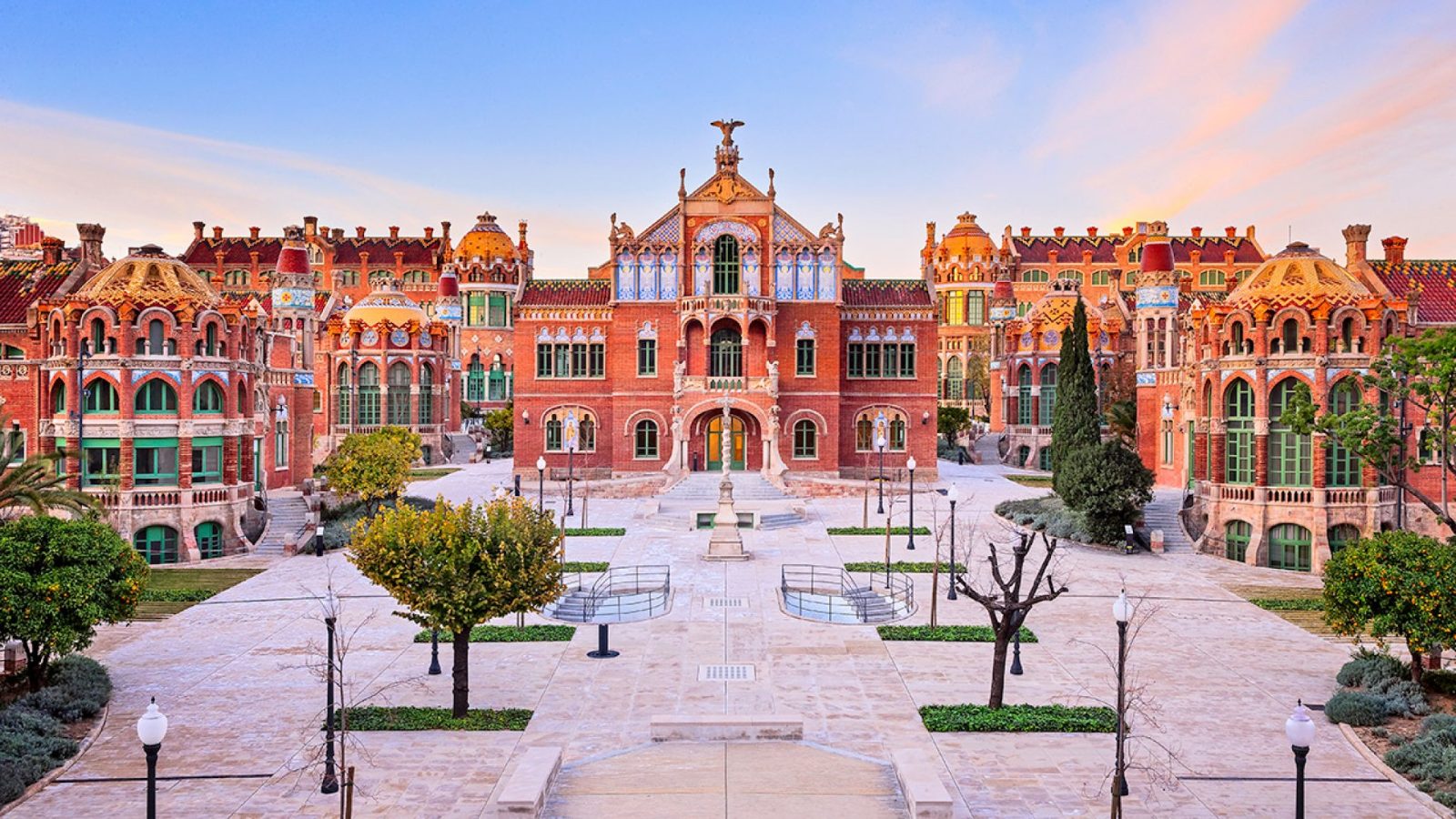
A former hospital and UNESCO site featuring stunning Modernisme architecture.
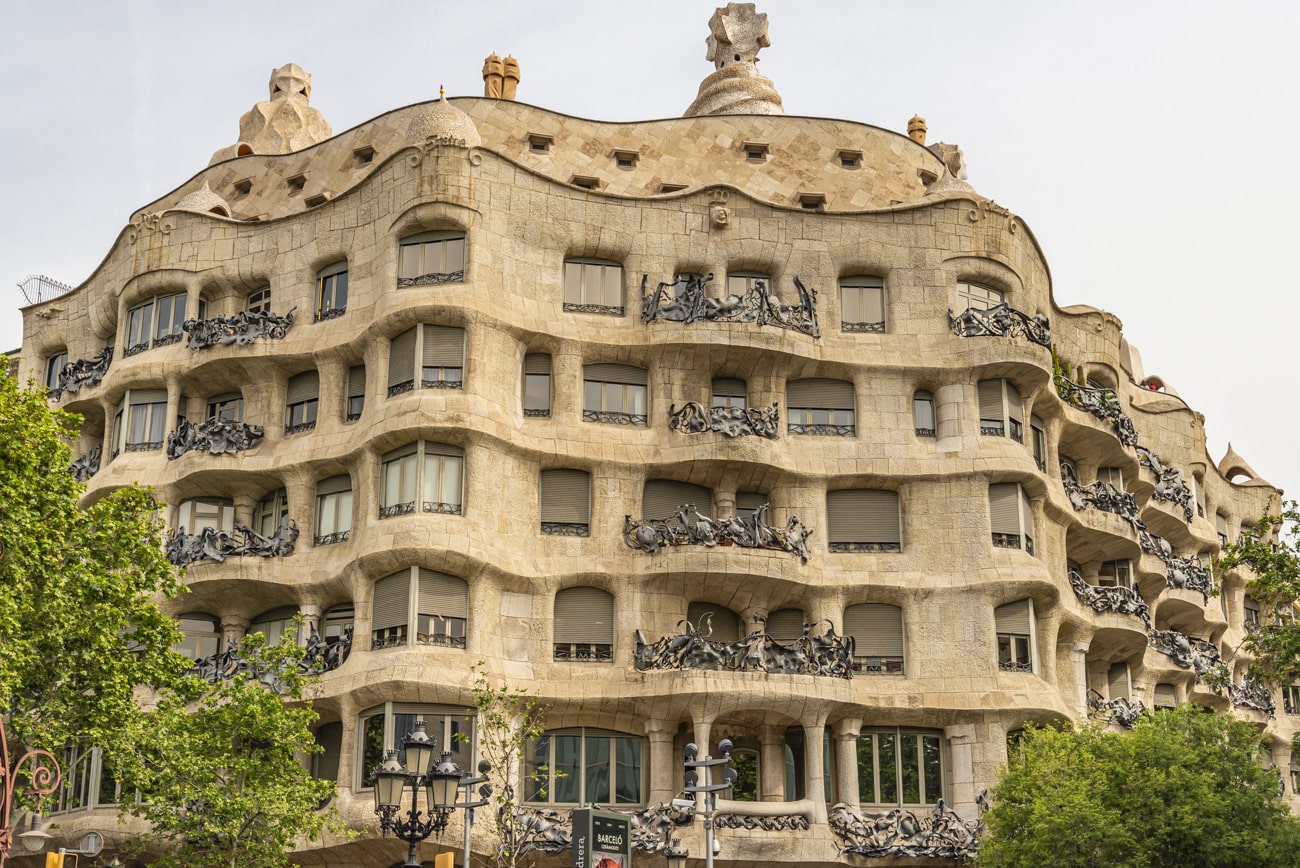
A famous residential building by Antoni Gaudí known for its wavy stone facade.
A quiet public park perfect for relaxing after touring Barcelona landmarks.
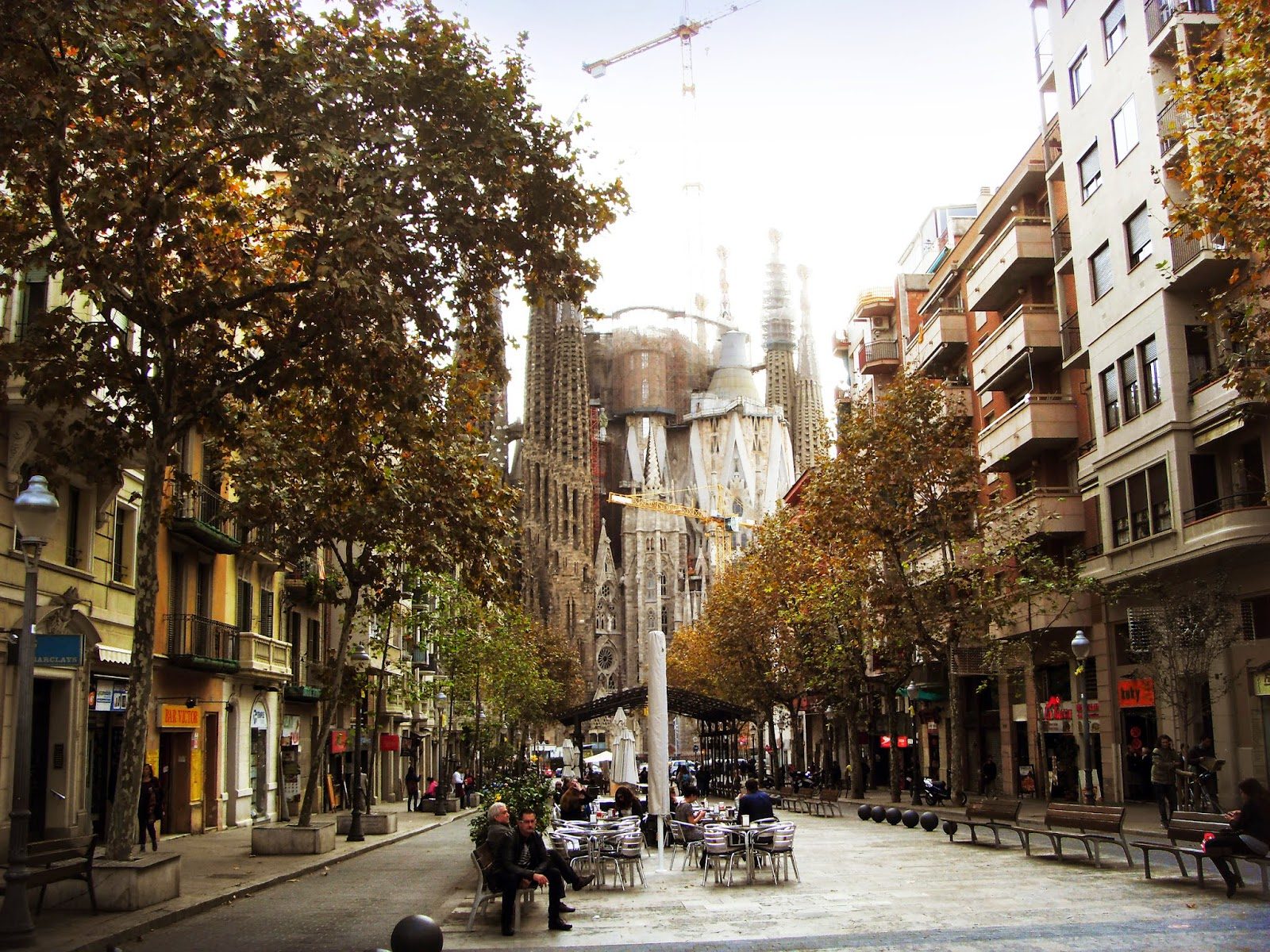
A pedestrian boulevard connecting the basilica to the hospital with local cafes.
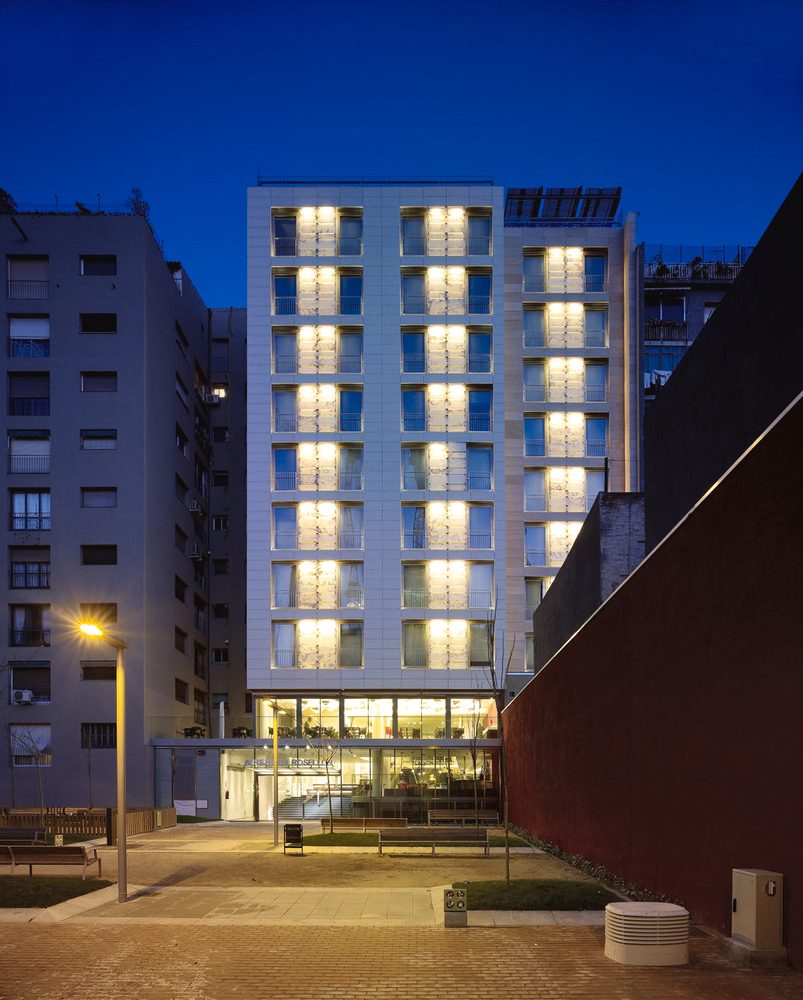
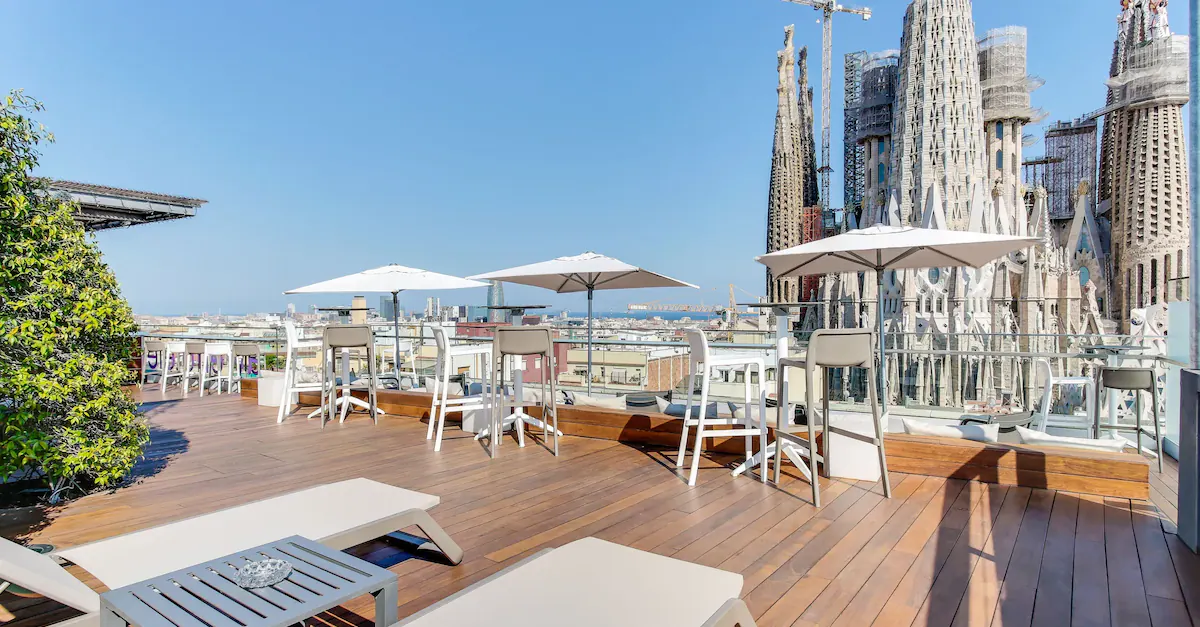
Modern hotel with a rooftop terrace overlooking the basilica.
Comfortable lodging located just a short walk from the entrance.
The immediate area offers numerous boutique and budget guesthouses.
Join thousands of happy travelers who have discovered this incredible experience
Book Your Experience Now